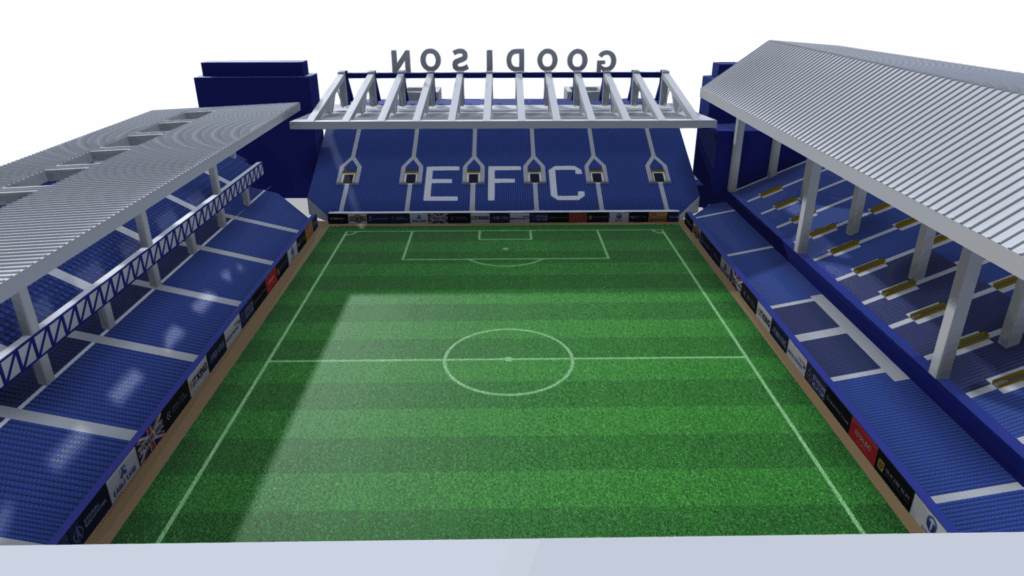
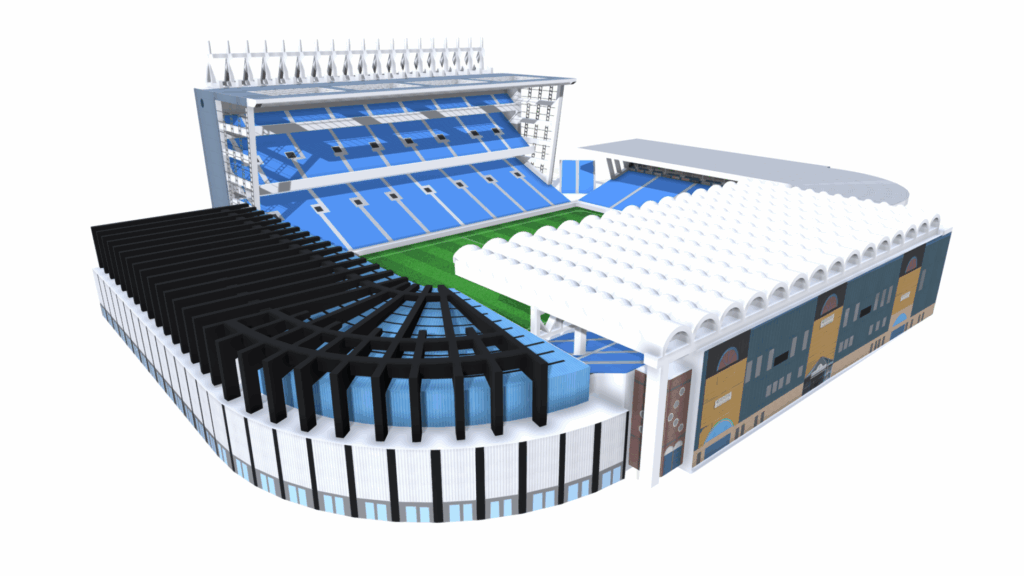
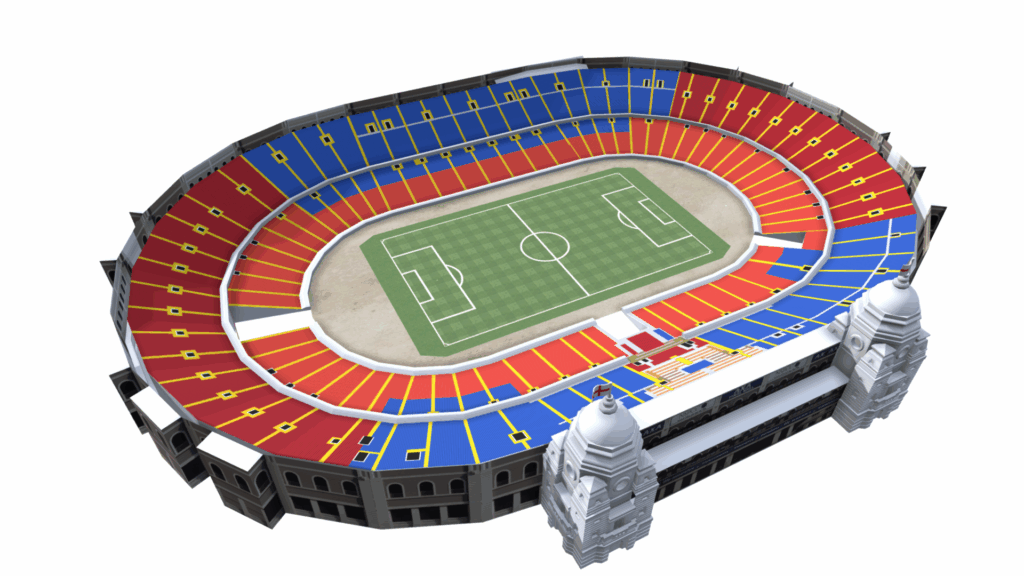
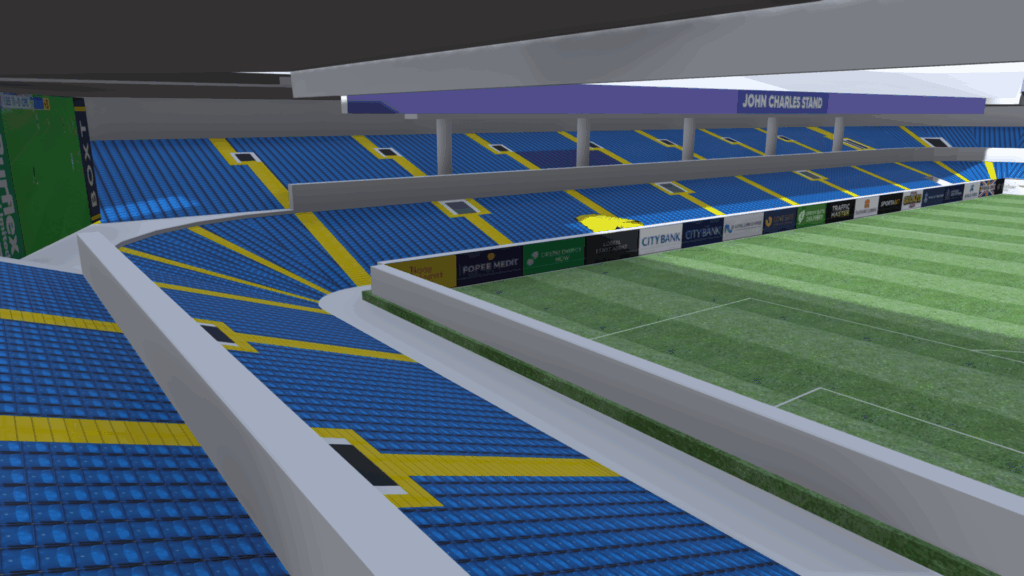
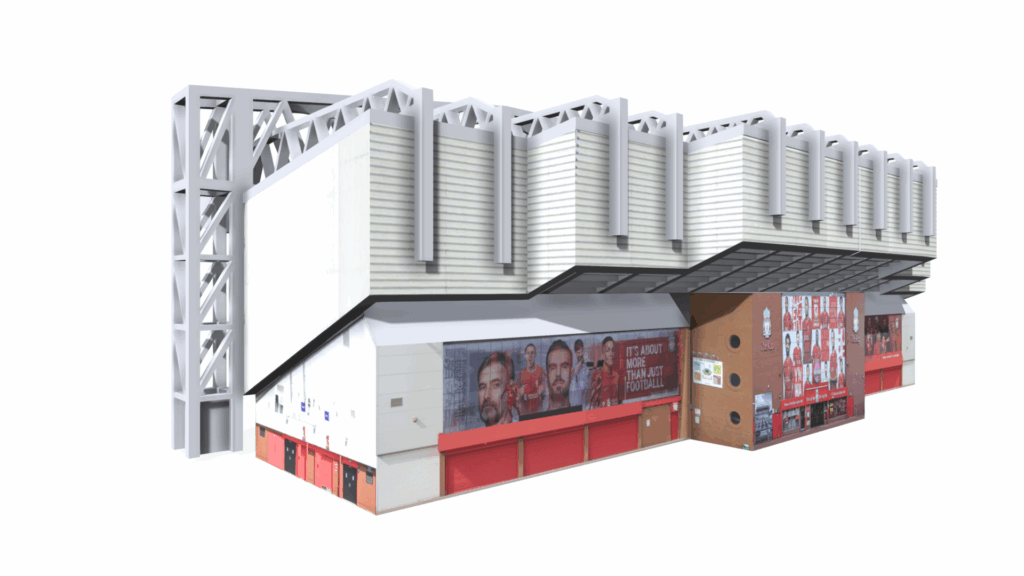
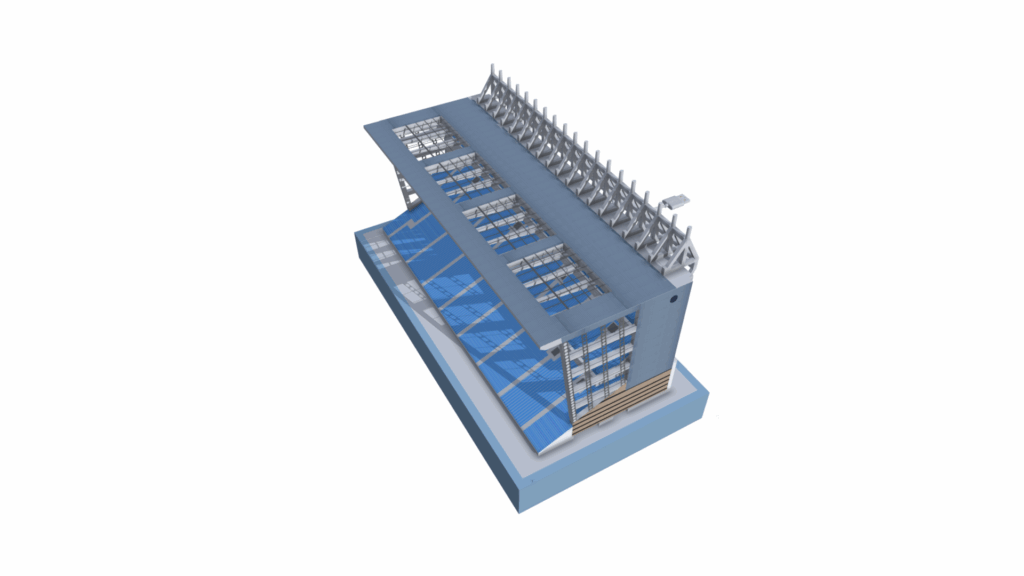
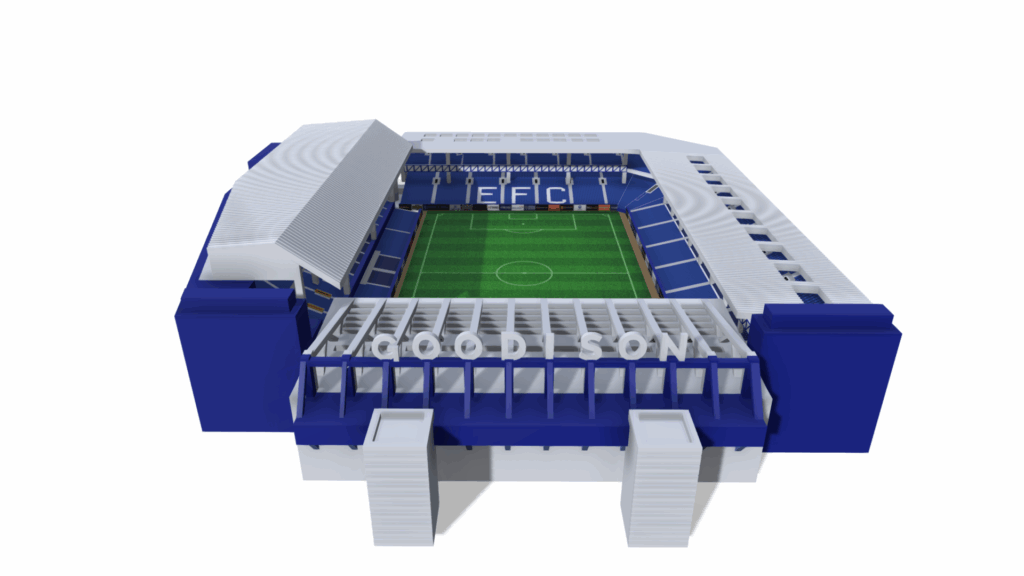
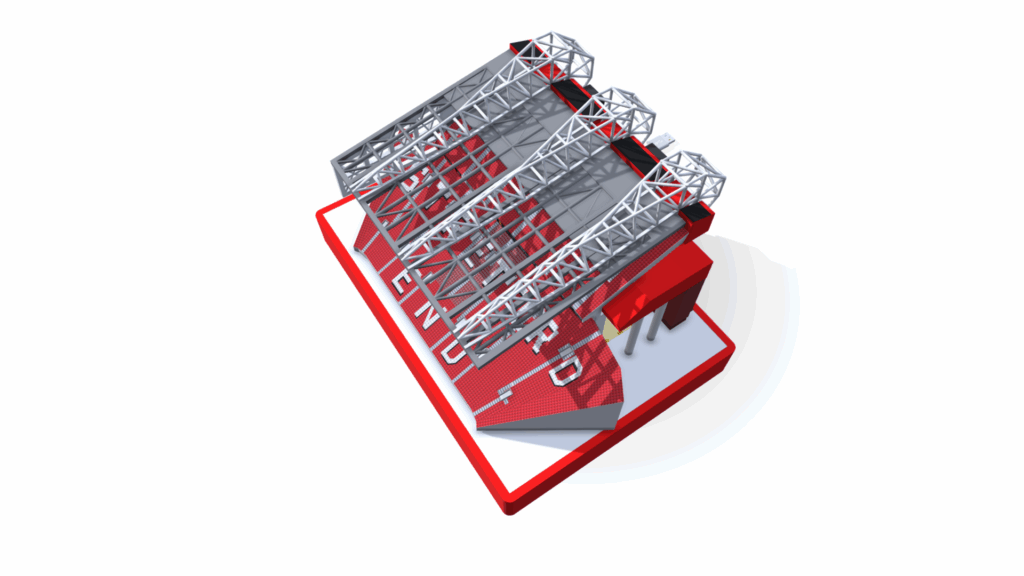
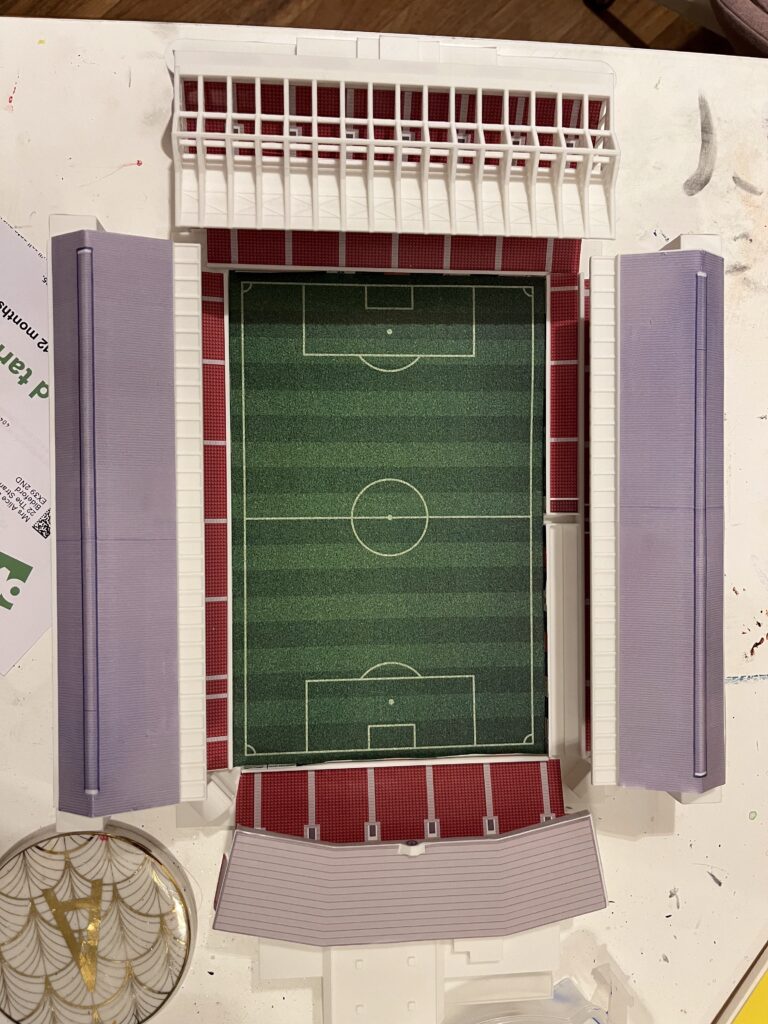
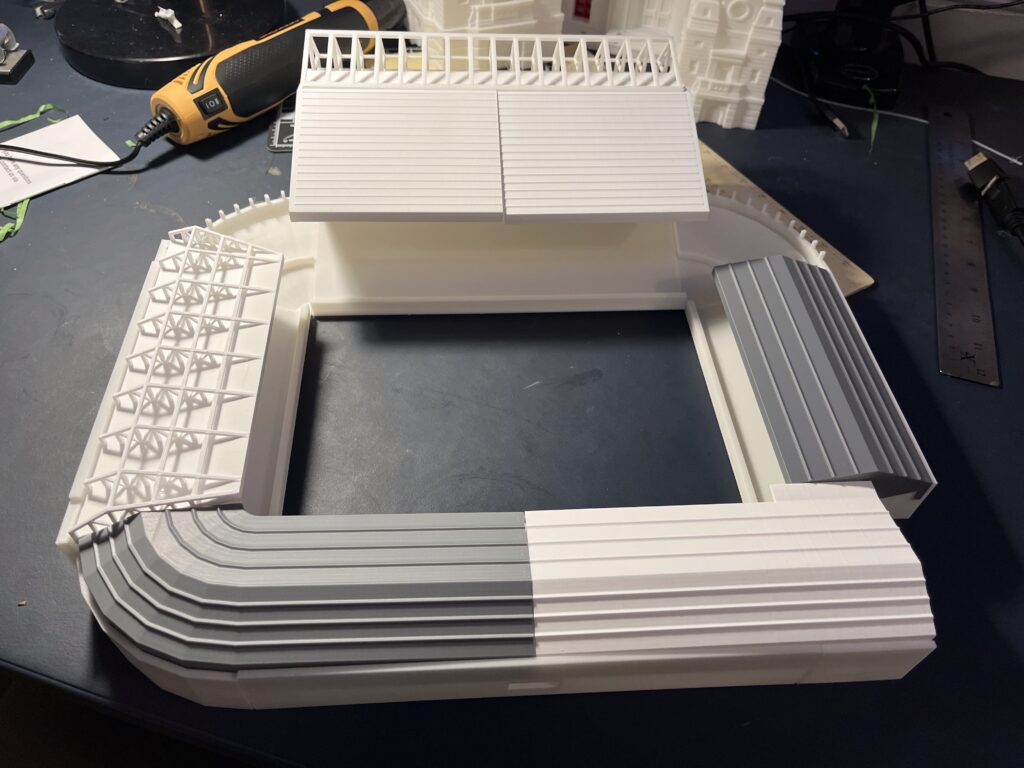
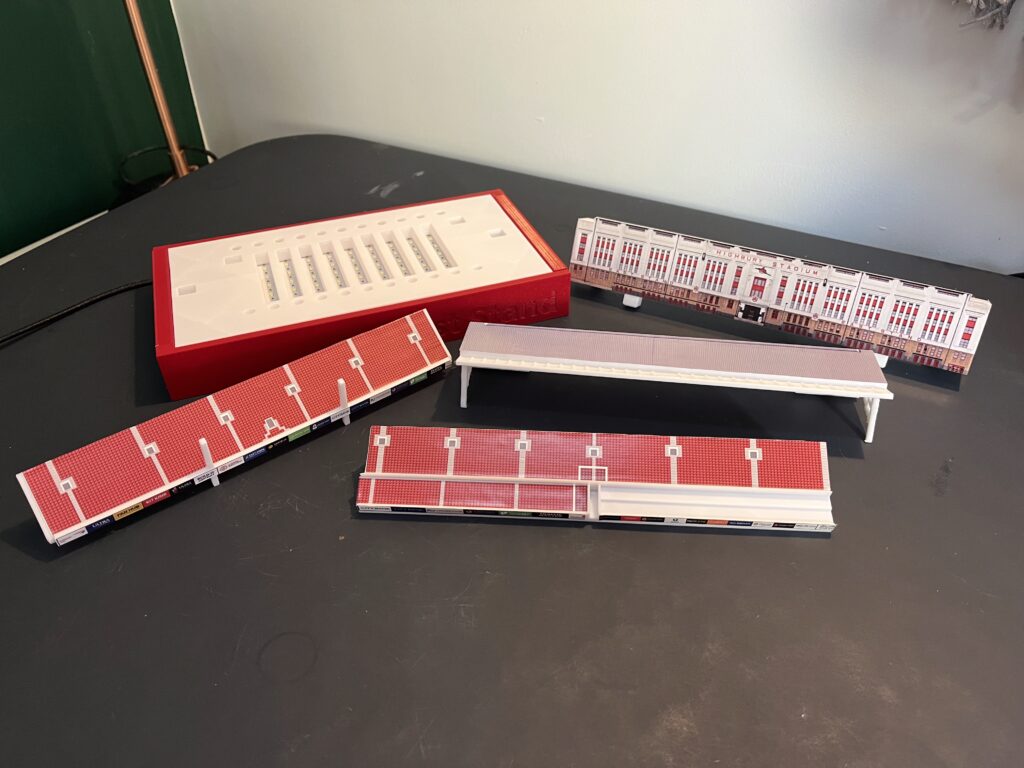
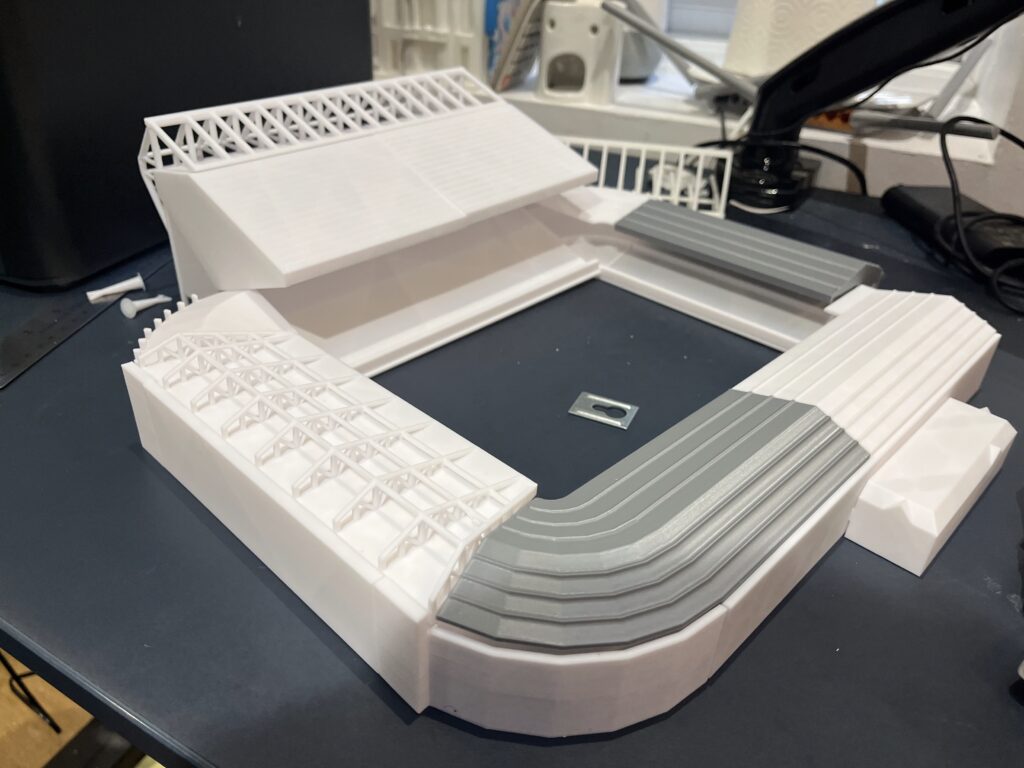
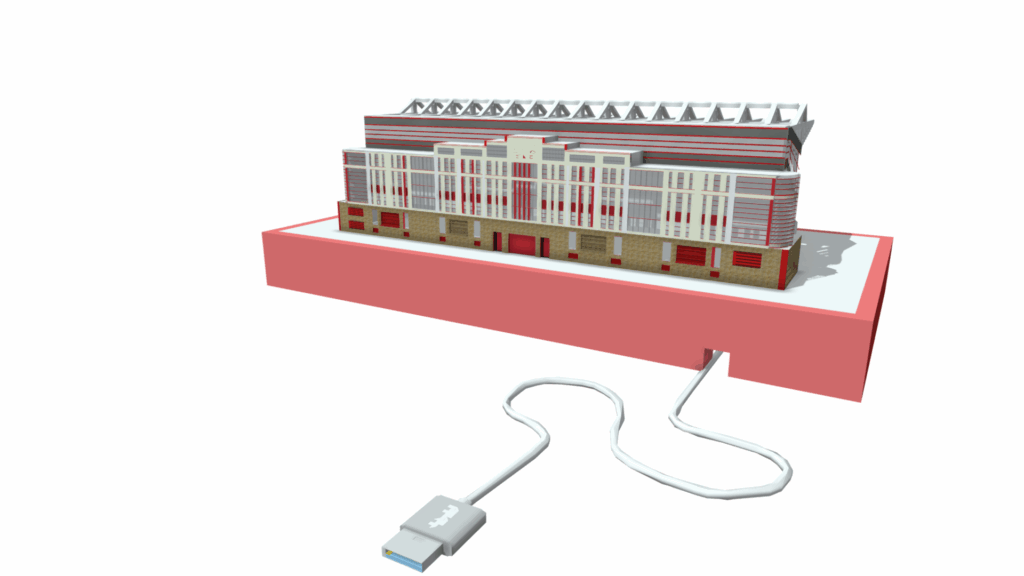
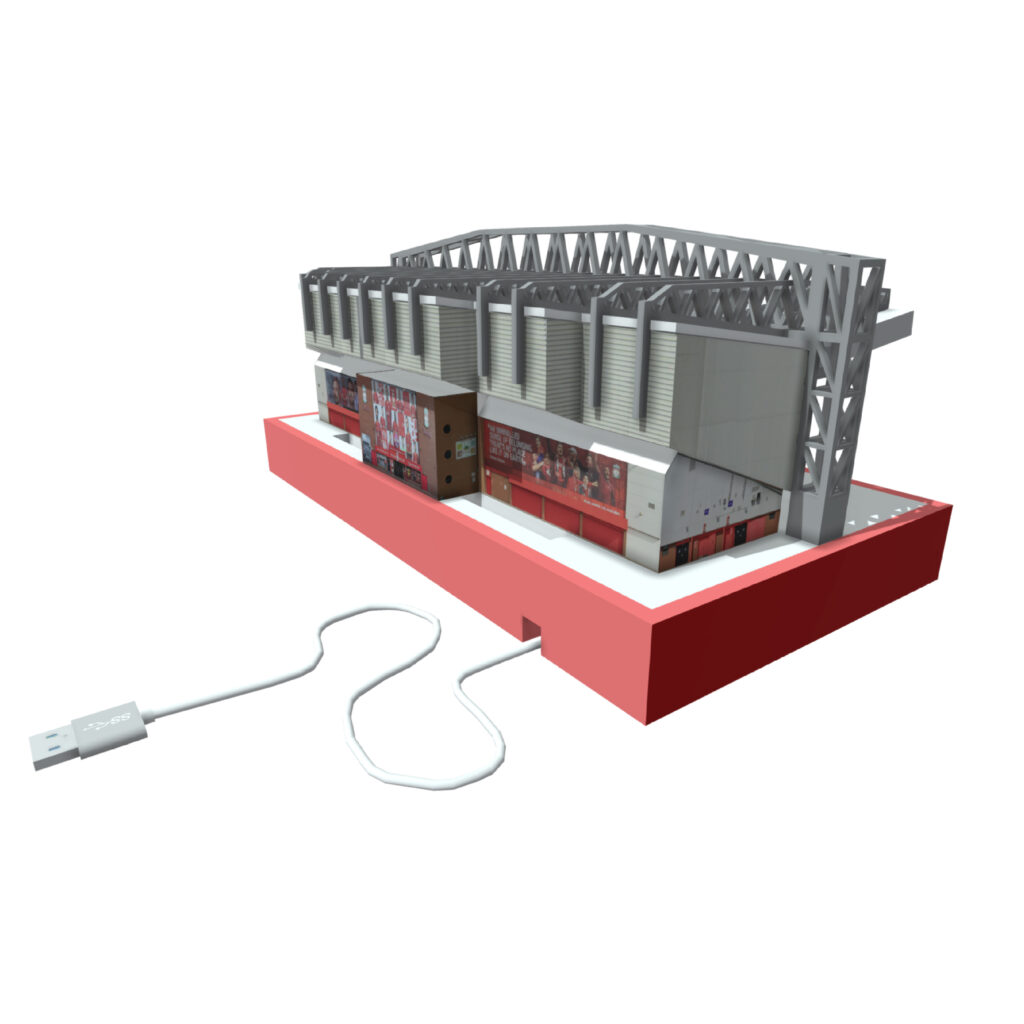
Goodison Park has been the home of Everton Football Club since 1892, making it one of the oldest purpose-built football stadiums in the world. Nestled in Walton, Liverpool, the stadium has seen generations of fans, historic matches, and legendary players. Its traditional charm and passionate atmosphere make it a true footballing icon.
History and Development
Goodison Park opened in 1892 after Everton moved from Anfield due to a rent dispute. Designed as a football-only ground, it was revolutionary for the time. Over the decades, the stadium has undergone multiple redevelopments to meet modern standards, including the installation of all-seater stands and upgraded facilities while retaining its historic character. Its current capacity is 39,414, making it a mid-sized Premier League stadium with an intimate, electrifying atmosphere.
Stands and Features
Gwladys Street Stand: Home to some of the club’s most passionate supporters, this stand has been a focal point for chants and atmosphere since the early 20th century.
Goodison Road Stand: Houses the club’s offices, executive suites, and VIP seating.
Park End Stand: Located behind the goal, often filled with vocal home fans and family seating.
Bullens Road Stand: Mix of home and away supporters’ seating, fully modernised in recent decades.
Notable Matches and Legends
Goodison Park has hosted footballing legends such as Dixie Dean, Alan Ball, Neville Southall, and Wayne Rooney. Some of its most memorable matches include: FA Cup semi-finals, Merseyside derbies against Liverpool, and historic league victories that shaped Everton’s proud history. The stadium’s unique architecture keeps fans close to the action, making every matchday memorable.
Legacy and Fan Culture
Everton fans are renowned for their loyalty and community spirit. Goodison Park embodies that identity, providing a venue where generations of supporters have experienced football history firsthand. Even as modern stadiums rise around the Premier League, Goodison Park remains a symbol of tradition, passion, and footballing excellence.
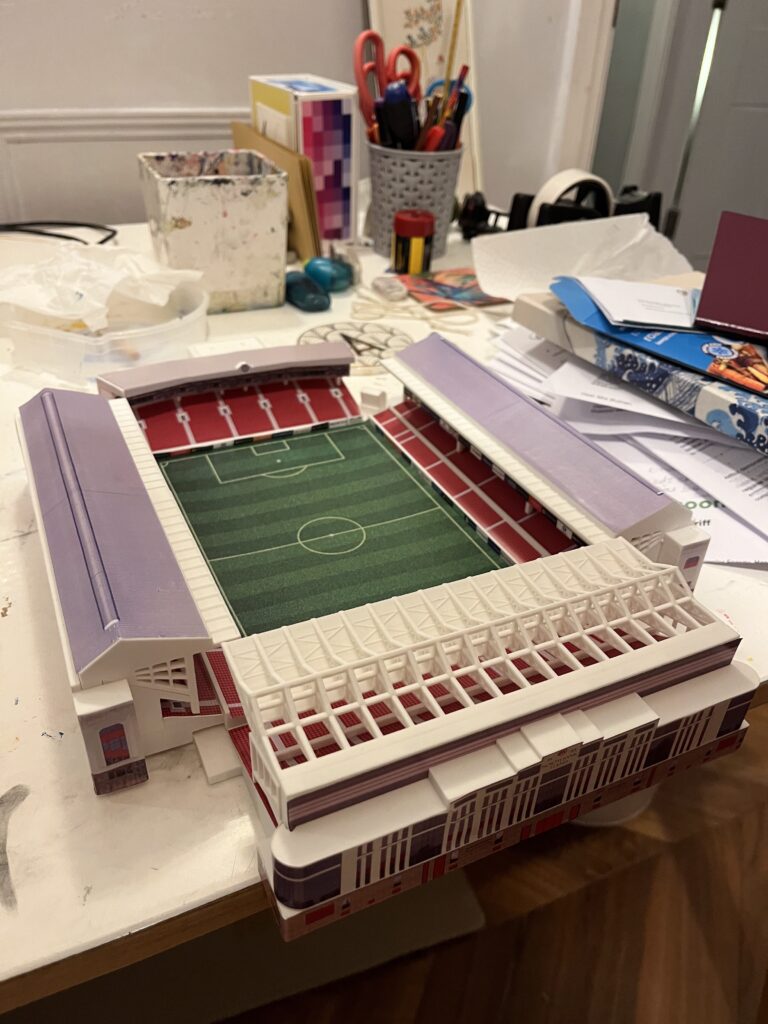
Bring Goodison Park into your collection with a build-at-home Everton Stadium model or collectible player statues.
The Boleyn Ground, also known as Upton Park, was home to West Ham United from 1904 to 2016. Known for its electric atmosphere, historic significance, and loyal supporters, it remains a symbol of East London football heritage.
History and Development
Opened in 1904, the Boleyn Ground underwent several redevelopments, including the East Stand and family seating upgrades. Its final capacity was 35,016 before West Ham moved to London Stadium.
Stands and Features
East Stand: Vocal home supporters, family sections, and modern seating.
West Stand: Club offices and premium seating.
North Bank: Away supporters’ section.
South Stand: Steep terraces and historic matchday energy.
Notable Matches and Legends
The stadium witnessed legends like Bobby Moore, Geoff Hurst, and Paolo Di Canio. Memorable moments include FA Cup runs, league battles, and electrifying derbies with Tottenham Hotspur and Chelsea.
Bring the Boleyn Ground home with a build-at-home West Ham Stadium model or player statues.
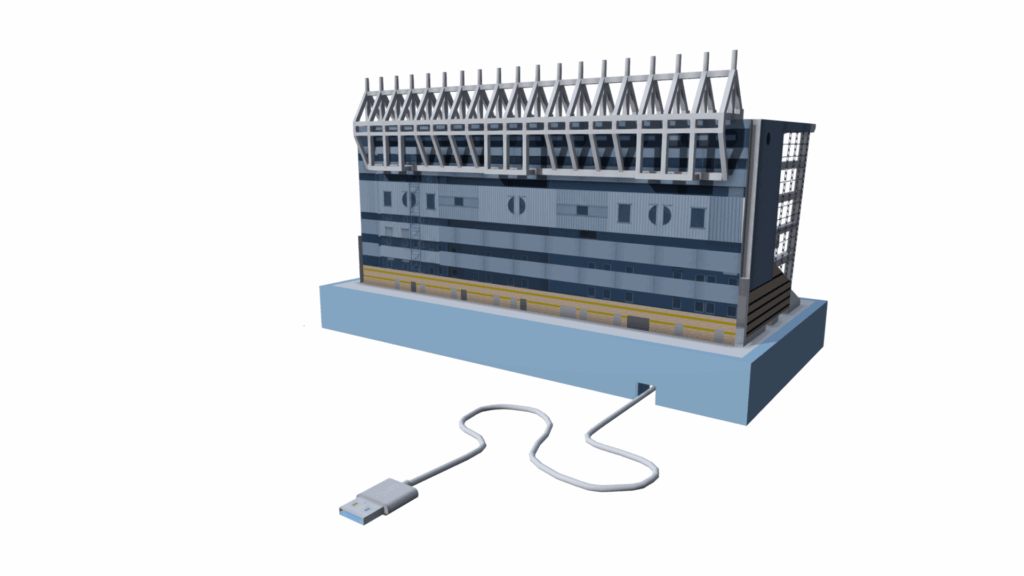
White Hart Lane – Tottenham Hotspur’s Historic Ground
White Hart Lane was Tottenham Hotspur’s home from 1899 to 2017. Known for passionate fans, iconic goals, and fierce North London derbies, it was one of English football’s most historic grounds.
History and Development
Opened in 1899, the stadium underwent multiple redevelopments, including a 36,000 all-seater capacity. Famous terraces like the West Stand created an intimidating home advantage. White Hart Lane was demolished in 2017 to make way for the Tottenham Hotspur Stadium.
Notable Matches and Legends
Players like Jimmy Greaves, Glenn Hoddle, and Harry Kane defined its history. Memorable matches included FA Cup victories, league title races, and European nights that captivated fans worldwide.
Bring White Hart Lane into your collection with a build-at-home Tottenham Stadium model or player statues.
The Dell was home to Southampton FC from 1898 to 2001. Famous for its intimate atmosphere and steep terraces, it was a venue where fans felt close to the action. Though replaced by St Mary’s Stadium, The Dell remains an iconic piece of football history.
History and Development
The Dell opened in 1898 and was redeveloped in the 1920s and 1980s. Its compact size (capacity ~15,000) created an intense, close-to-pitch atmosphere. The stadium was replaced in 2001 by St Mary’s Stadium.
Notable Matches and Legends
Legends like Matt Le Tissier graced The Dell, creating memorable goals and FA Cup runs. Fans cherished the stadium’s charm, steep terraces, and unique matchday energy.
Bring The Dell home with a build-at-home Southampton Stadium model or collectible player statues.
Highbury, home to Arsenal Football Club from 1913 to 2006, was synonymous with style, innovation, and top-class football. Known as the “Home of Football,” it hosted legendary players and unforgettable matches in the heart of North London.
History and Development
Opened in 1913, Highbury underwent major redevelopment in the 1930s, including the iconic East and West Stands with Art Deco facades. The stadium was converted to an all-seater in the 1990s, with a final capacity of 38,419 before Arsenal moved to the Emirates Stadium in 2006.
Stands and Features
East Stand: Iconic Art Deco design, club offices, and seating.
West Stand: Former directors’ area and media facilities.
North Bank: Home supporters’ terrace turned all-seater.
Clock End: Away supporters and family areas.
Notable Matches and Legends
Highbury hosted legends like Thierry Henry, Tony Adams, and Dennis Bergkamp. Famous games include Arsenal’s unbeaten 2003–04 season, FA Cup finals, and historic North London derbies.
Bring Highbury into your collection with a build-at-home Arsenal Stadium model or player statues.
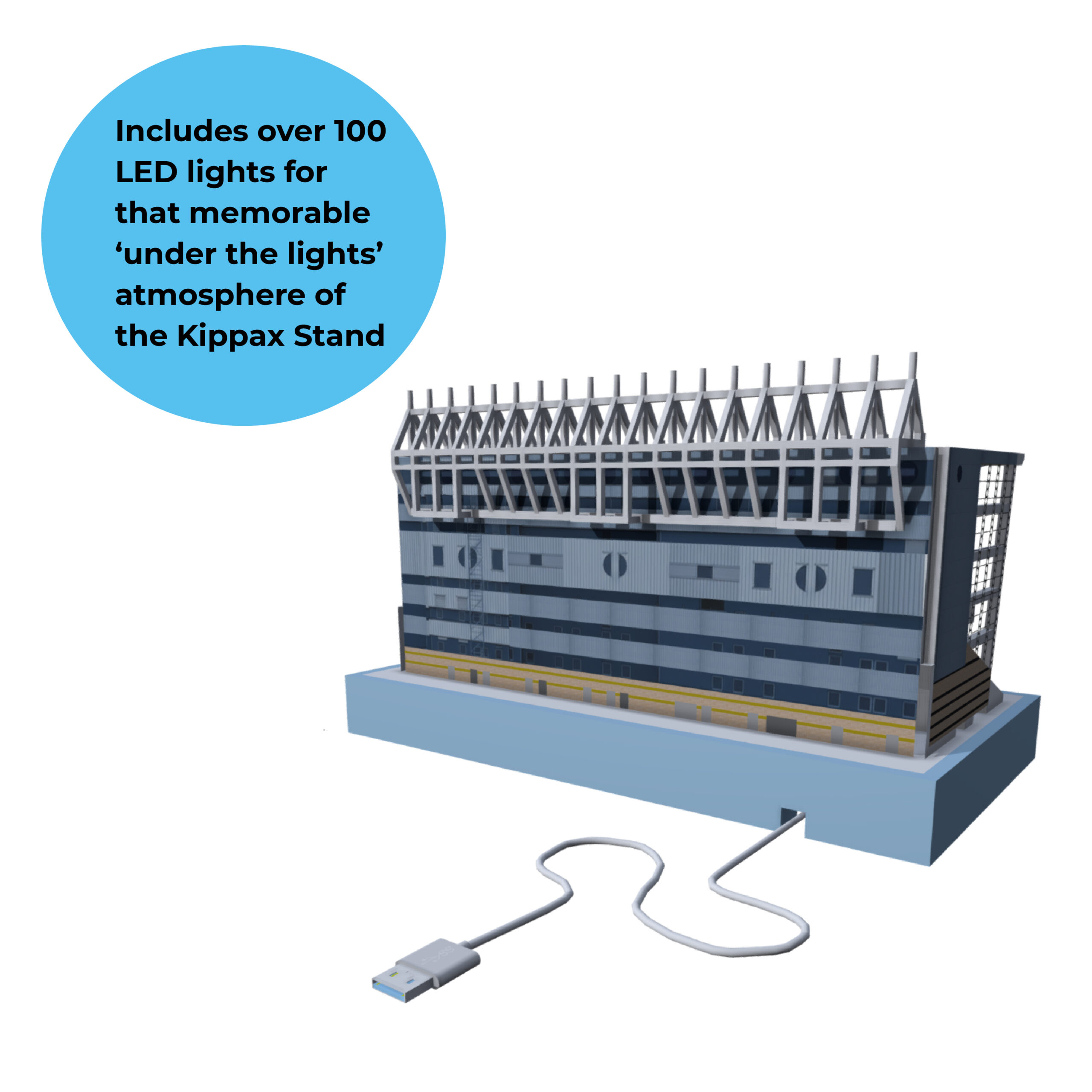
Maine Road was the iconic home of Manchester City from 1923 to 2003. Located in Moss Side, it was known as the “Kippax” for its famous stand, legendary atmosphere, and record-breaking attendances. For eight decades, Maine Road saw some of English football’s most memorable matches and players.
History and Development
Opened in 1923 with an initial capacity of 80,000, Maine Road was one of the largest stadiums in England. Over the years, it was redeveloped multiple times, including the transformation of the Kippax Stand into an all-seater in the 1990s. It remained City’s home until the club moved to the Etihad Stadium in 2003.
Stands and Features
Kippax Stand: Famous terrace turned all-seater, home to City’s most passionate fans.
Main Stand: Club offices, press facilities, and VIP seating.
Wolstenholme Road End: Family seating and home supporters.
Platt Lane End: Away supporters’ section and modern facilities.
Notable Matches and Legends
Maine Road witnessed legends like Colin Bell, Bert Trautmann, and Sergio Agüero. Iconic matches included FA Cup runs, historic league clashes, and Bert Trautmann’s famous 1956 FA Cup Final with a broken neck — although technically played elsewhere, he was a Maine Road hero.
Legacy and Fan Culture
The stadium embodied Manchester City’s identity for generations, known for its electrifying atmosphere and community connection. Maine Road remains legendary in fans’ memories, immortalized in photos, books, and models.
Bring Maine Road home with a build-at-home Manchester City Stadium model or collectible player statues.
The Gtech Community Stadium, formerly known as Brentford Community Stadium, has been home to Brentford FC since 2020. A modern venue built to Premier League standards, it marks a new chapter for the club while retaining strong connections to its community roots in West London.
History and Development
The stadium was completed in 2020, replacing Griffin Park, Brentford’s historic ground. Designed to meet top-flight requirements, it features a 17,250 capacity, modern stands, hospitality suites, and high-quality pitch surfaces. The stadium blends functionality, fan experience, and sustainability in its architecture.
Stands and Features
West Stand: Home to vocal supporters, modern facilities, and club offices.
East Stand: Family seating, hospitality suites, and executive areas.
North and South Stands: Away supporters’ sections, integrated modern amenities, and excellent sightlines.
Notable Matches and Legends
The stadium has hosted Brentford’s rise to the Premier League, with players like Ivan Toney, Christian Nørgaard, and Bryan Mbeumo creating memorable moments. Key matches include promotion clinchers and high-profile top-flight fixtures.
Legacy and Fan Culture
The Gtech Community Stadium preserves Brentford’s community-focused identity while providing modern amenities and matchday comfort. Fans enjoy a vibrant, close-to-the-action experience, continuing the club’s ethos of passion and engagement.
Bring Brentford’s home into your collection with a build-at-home stadium model or collectible player statues.
The Vitality Stadium, home of AFC Bournemouth since 1910 (formerly Dean Court), is one of the Premier League’s most intimate grounds. With a capacity of 11,307, it offers fans proximity to the pitch and a unique, energetic matchday atmosphere.
History and Development
Originally called Dean Court, the stadium has undergone multiple redevelopments to meet Premier League standards. Modernisation included the installation of all-seater stands, corporate facilities, and improvements to safety and accessibility, while retaining the stadium’s compact, intimate feel.
Stands and Features
South Stand: Home supporters’ section, maintaining passionate local atmosphere.
North Stand: Away supporters’ seating and modern amenities.
East and West Stands: Hospitality suites, club offices, and family seating integrated into the small but efficient footprint.
Notable Matches and Legends
Vitality Stadium has hosted key Premier League victories, memorable cup matches, and notable player performances from Callum Wilson, Ryan Fraser, and David Brooks. Its size and intimacy often make it a challenging venue for visiting teams.
Legacy and Fan Culture
The stadium reflects Bournemouth’s community-focused identity, where fan passion is maximised by its compact size. Matchdays are lively, personal, and deeply connected to the local area.
Bring Bournemouth’s Vitality Stadium home with a build-at-home model or collectible player statues.
Molineux has been the home of Wolverhampton Wanderers since 1889, making it one of England’s oldest professional football grounds. Located in the heart of Wolverhampton, it blends traditional charm with modern facilities, creating a competitive environment for Premier League football.
History and Development
Originally built as a multi-use sports venue, Molineux became exclusively a football stadium for Wolves. Redevelopments in the 1990s included all-seater stands and modernised facilities. The current capacity is 32,050, with the stadium maintaining its intimidating character for visiting teams.
Stands and Features
Stan Cullis Stand: Modern seating and hospitality suites named after Wolves’ legendary manager.
Sir Jack Hayward Stand: Home to vocal supporters and family seating sections.
South Bank: Away fans and general seating with modern amenities.
Steve Bull Stand: Premium seating and executive areas integrated with club offices.
Notable Matches and Legends
Molineux has hosted legends such as Billy Wright, Steve Bull, and Raul Jimenez. Iconic games include European competitions, FA Cup semi-finals, and historic league battles. The stadium’s atmosphere reflects Wolves’ proud history and community spirit.
Legacy and Fan Culture
Molineux combines Wolves’ historical legacy with modern football culture. Fans are deeply involved in creating matchday energy, ensuring that Wolves’ identity is preserved both on and off the pitch.
Bring Molineux home with a build-at-home Wolves Stadium model or collectible player statues.
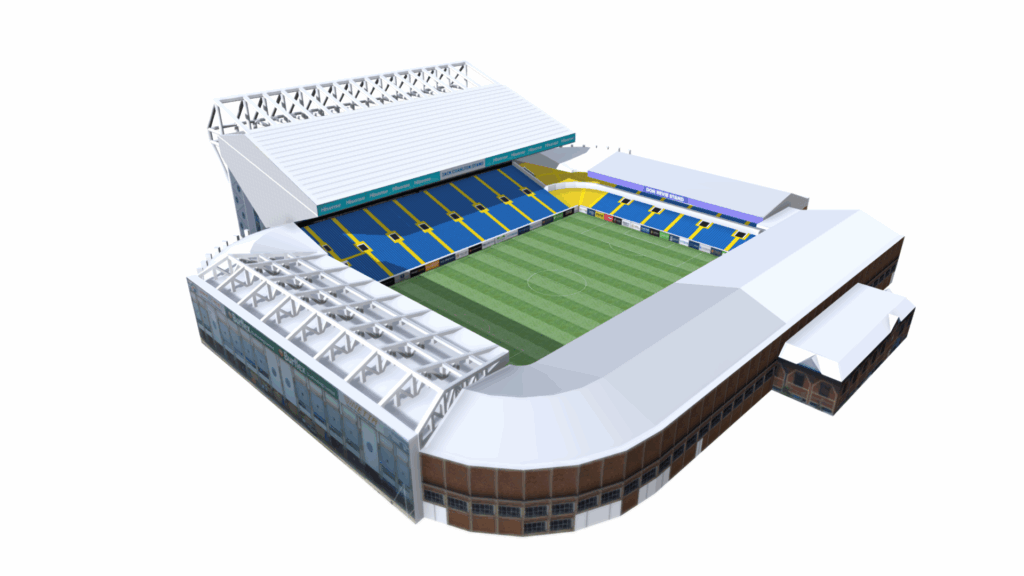
Elland Road has been home to Leeds United since 1919, serving as a historic and iconic venue in Yorkshire. Its unique atmosphere, passionate supporters, and large capacity make it a formidable ground for visiting teams. Over the decades, Elland Road has witnessed some of the most thrilling moments in English football.
History and Development
Originally opened in 1897 for rugby and converted for football use, Leeds United took ownership in 1919. The stadium has been expanded and redeveloped multiple times, including modernisation of the East Stand and installation of all-seater areas. With a capacity of 37,792, it remains one of the largest stadiums outside London.
Stands and Features
East Stand: Modernised with corporate boxes, media facilities, and family seating.
West Stand: Houses club offices, VIP suites, and premium seating areas.
North Stand: Home of the vocal supporters, with chants and banners creating a lively atmosphere.
South Stand: Away supporters’ section, integrated with modern amenities.
Notable Matches and Legends
Elland Road has hosted legends like Billy Bremner, Eric Cantona, and Lucas Radebe. Memorable games include European nights against Italian and Spanish clubs, fierce Yorkshire derbies, and pivotal promotion battles. The stadium’s history is steeped in drama and passion.
Legacy and Fan Culture
The stadium continues to be a symbol of Leeds’ identity: proud, passionate, and deeply connected to the local community. Fans’ chants, historic memories, and matchday traditions make Elland Road one of the Premier League’s most iconic venues.
Bring Elland Road home with a build-at-home Leeds United Stadium model or collectible player statues.
Turf Moor has been home to Burnley Football Club since 1883, making it one of the oldest football grounds in the country. Known for its intimate atmosphere and passionate supporters, Turf Moor has witnessed Burnley’s highs and lows across English football history.
History and Development
The stadium was initially constructed with terraces and has been redeveloped over the decades to provide seating, hospitality, and modern amenities. Today, it holds approximately 21,944 spectators and retains the classic charm of an old English football ground.
Stands and Features
Bee Hole End: Home supporters, steep terraces, vocal atmosphere.
Longside Stand: Family-friendly seating and hospitality facilities.
Jimmy McIlroy Stand: Named after club legend, modern facilities with great views.
Bob Lord Stand: Mix of home/away seating with club offices.
Notable Matches and Legends
Turf Moor has seen legends like Jimmy McIlroy, Steven Reid, and Jay Rodriguez play pivotal roles. Memorable matches include league battles for promotion, FA Cup upsets, and clashes against Lancashire rivals.
Legacy and Fan Culture
Burnley fans are known for loyalty, resilience, and fierce home support. Turf Moor preserves the club’s identity, making matchdays a unique blend of history, community pride, and football passion.
Bring Turf Moor home with a build-at-home Burnley Stadium model or player statues.
Selhurst Park has been home to Crystal Palace since 1924, combining historic charm with modern facilities. Nestled in South London, it is renowned for its passionate supporters, particularly in the Holmesdale Road Stand, and for creating an intimidating atmosphere for visiting teams.
History and Development
The stadium opened in 1924 and has undergone multiple redevelopments, including the modernization of the Holmesdale Road Stand and main stand. Capacity now sits at 25,486, making it an intimate yet imposing ground where fans are close to the pitch.
Stands and Features
Holmesdale Road Stand: Vocal home supporters and terrace legacy preserved with all-seater renovation.
Arthur Wait Stand: Family seating and hospitality facilities.
Whitehorse Lane Stand: Mix of home and away seating with corporate boxes.
Main Stand: Club offices, media facilities, and premium seating.
Notable Matches and Legends
Selhurst Park has seen legends such as Wilfried Zaha, Andrew Johnson, and Gareth Southgate shine. Memorable games include Premier League upsets, FA Cup runs, and local derbies against Brighton and Millwall.
Legacy and Fan Culture
Selhurst Park continues to embody Crystal Palace’s resilience, fan passion, and community identity. The stadium’s atmosphere, steep stands, and historic feel make it one of London’s most unique Premier League grounds.
Bring Selhurst Park home with a build-at-home Crystal Palace Stadium model or player statues.
Craven Cottage, nestled by the Thames, has been Fulham Football Club’s home since 1896. Known for its picturesque riverside setting, charming old-school architecture, and intimate atmosphere, it stands out as one of the most iconic historic grounds in England. The stadium embodies Fulham’s rich footballing tradition while offering a unique matchday experience.
History and Development
Originally designed in the late 19th century, Craven Cottage has undergone several redevelopments to meet modern safety and comfort standards while retaining its historic charm. The iconic Johnny Haynes Stand, opened in 1905 and redeveloped in the 1990s, remains a highlight, representing over a century of football heritage.
Stands and Features
Johnny Haynes Stand: Historic main stand with classic architecture and premium seating.
Riverside Stand: Renovated to modern standards, providing excellent views along the Thames.
Cottage End: Home supporter section, keeping Fulham’s fan culture alive.
Putney End: Away supporters’ area with seating and modern facilities.
Notable Matches and Legends
Craven Cottage has hosted legendary players like Johnny Haynes, George Best (guest appearances), and Clint Dempsey. It has witnessed historic cup runs, tense Premier League fixtures, and international matches. Its intimacy makes every matchday feel personal, with fans close to the action.
Legacy and Fan Culture
The stadium maintains Fulham’s identity as a historic, family-friendly club in West London. Matchday traditions, chants, and riverside scenery combine to make Craven Cottage a unique venue in the Premier League.
Bring Craven Cottage into your collection with a build-at-home Fulham Stadium model or player statues.
St Mary’s Stadium has been the home of Southampton Football Club since 2001, replacing The Dell. It reflects the club’s ambition to compete in the Premier League while offering supporters a safe, comfortable, and vibrant matchday environment. Its sleek modern design contrasts with the traditional charm of The Dell, bridging history and progress.
History and Development
Built on reclaimed land near Southampton’s centre, St Mary’s Stadium was completed in 2001. Its design focused on fan engagement, capacity, and expansion potential. The stadium currently accommodates 32,384 fans, with all-seater stands and modern facilities meeting Premier League standards.
Stands and Features
North Stand: Offers family and general seating, as well as premium hospitality areas.
South Stand: Houses vocal supporters, creating energy and atmosphere on matchdays.
East and West Stands: Contain club offices, media facilities, and executive suites, blending function with fan experience.
Notable Matches and Legends
St Mary’s has hosted key Premier League clashes, cup ties, and European qualifiers. Players like Matt Le Tissier, James Ward-Prowse, and Virgil van Dijk have all made their mark here, contributing to memorable victories and defining moments for the club.
Legacy and Fan Culture
The stadium maintains the spirit of Southampton, combining modern amenities with traditional football culture. Fans continue to engage in chants, songs, and rituals passed down from The Dell, keeping the club’s heritage alive.
Bring St Mary’s Stadium into your home with a build-at-home Southampton Stadium model or collectible player statues.
The Amex Stadium has been home to Brighton & Hove Albion since 2011, offering modern facilities and the ability to host Premier League football in style. Built to replace the Goldstone Ground, it represents the ambition and growth of the Seagulls while providing fans with an outstanding matchday experience by the south coast.
History and Development
Construction of the Amex Stadium began in 2009 and completed in 2011. It was designed to meet modern football standards, including safe standing sections, premium hospitality suites, and high-quality pitch surfaces. With a current capacity of 31,800, it allows Brighton to host top-flight football while remaining intimate and fan-focused.
Stands and Features
South Stand: The home of vocal supporters, creating atmosphere and energy during matches.
North Stand: Premium seating, family areas, and hospitality facilities.
East and West Stands: Modern architecture, excellent sightlines, and club facilities.
Notable Matches and Legends
The Amex has hosted Brighton’s rise to the Premier League, memorable league victories, and high-profile cup matches. Players like Lewis Dunk, Leandro Trossard, and Pascal Groß have become fan favourites, helping the Seagulls compete with England’s elite clubs.
Legacy and Fan Culture
The Amex Stadium provides a modern, family-friendly environment while retaining Brighton’s passionate supporter culture. Its location near the coast adds to the unique matchday experience, making it one of the most attractive stadiums in the Premier League.
Bring Brighton’s home into your collection with a build-at-home Amex Stadium model or player statues.
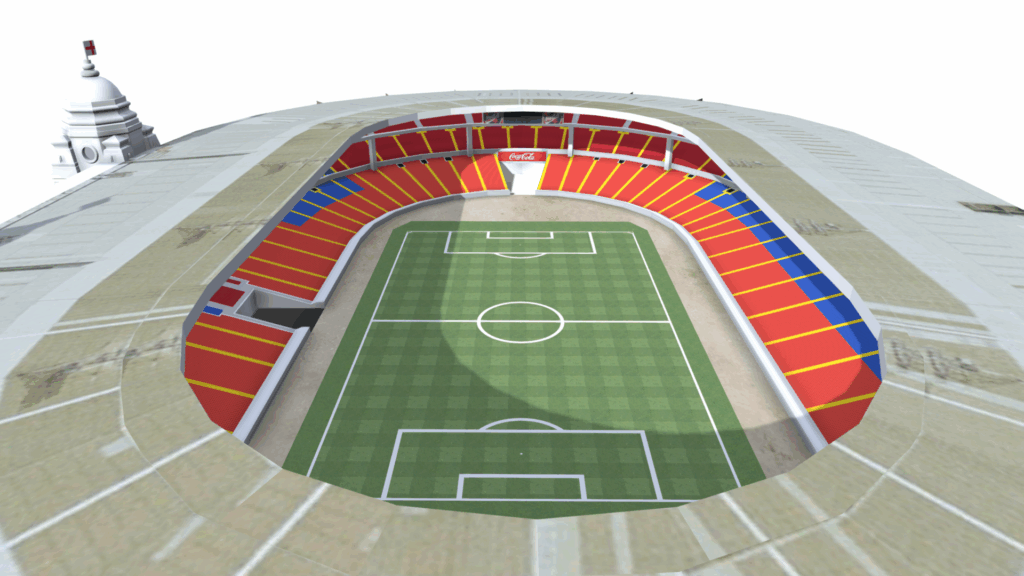
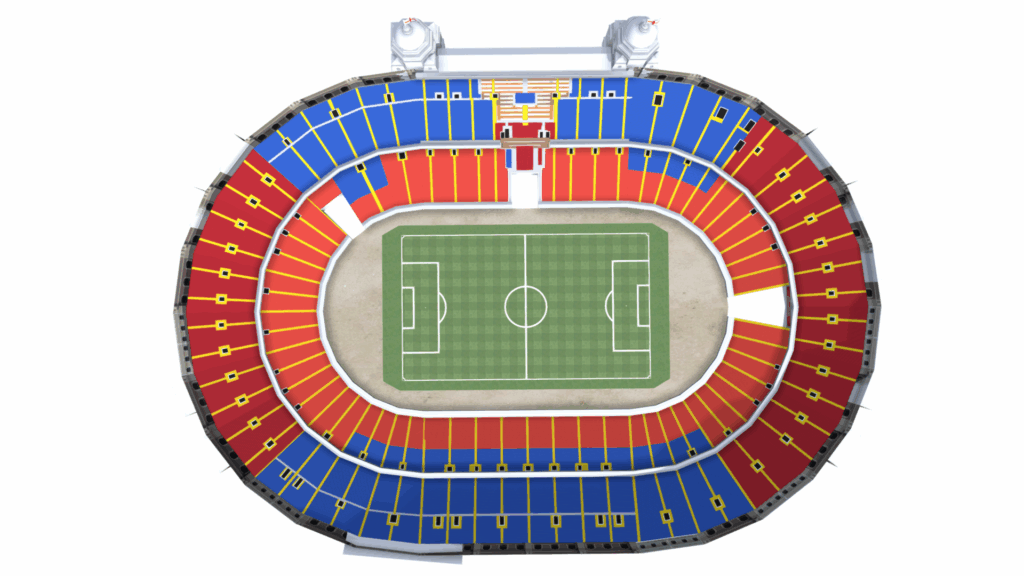
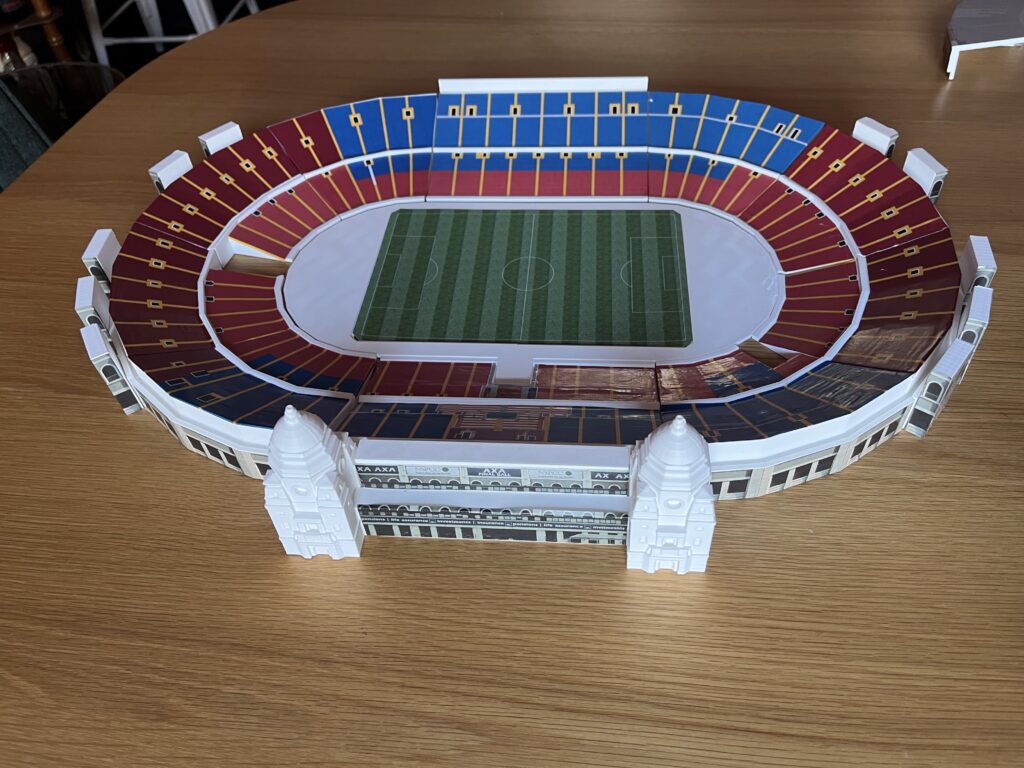
West Ham United moved to the London Stadium in 2016, marking a new era for the club. Originally built as the main venue for the 2012 London Olympics, it was adapted to meet footballing needs, balancing capacity, fan atmosphere, and modern facilities. The stadium represents both ambition and the continuation of West Ham’s rich East London identity.
History and Development
The London Stadium was completed in 2011 as part of the Olympic Park redevelopment. West Ham’s tenancy began in 2016 after extensive adaptations for football, including improved sightlines, seating, and pitch standards. With a capacity of 62,500, it is one of the largest stadiums in England, reflecting the club’s ambition to grow its fanbase and compete on a national and European stage.
Stands and Features
Bobby Moore Stand: The main stand housing club offices, hospitality suites, and media facilities.
East Stand: Family and premium seating, ensuring comfort and excellent sightlines.
South Stand: Home support terraces with vocal fans, maintaining the West Ham atmosphere.
North Stand: Away supporters and modern facilities for diverse matchday experiences.
Notable Matches and Legends
Although a new home, London Stadium has hosted memorable Premier League clashes, FA Cup fixtures, and European nights. Players such as Mark Noble, Declan Rice, and Michail Antonio have contributed iconic moments in front of record crowds, solidifying the stadium’s growing reputation.
Stamford Bridge has been the home of Chelsea Football Club since its founding in 1905. Situated in Fulham, London, the stadium has witnessed the transformation of Chelsea from a regional team into one of the world’s most successful football clubs. It combines tradition, history, and modern amenities.
History and Development
Stamford Bridge was originally opened in 1877 as an athletics ground before Chelsea FC was formed. Over the years, it has been expanded and modernised multiple times. The stadium now holds over 40,000 spectators, with high-quality facilities and seating ensuring comfort and visibility across all stands.
Stands and Features
Matthew Harding Stand: Known for loud support and historical significance, housing dedicated fan areas.
Shed End: Famous for fan chants and creating an intimidating atmosphere for opponents.
East Stand: Modernised with hospitality suites and club offices.
West Stand: Houses premium seating, press facilities, and executive suites.
Notable Matches and Legends
Stamford Bridge has been the stage for countless memorable moments. Legends like Gianfranco Zola, Frank Lampard, John Terry, and Eden Hazard have thrilled fans here. The stadium has hosted Champions League nights, FA Cup finals, and domestic cup deciders.
Legacy and Fan Culture
Stamford Bridge represents Chelsea’s identity: ambitious, passionate, and historic. Its combination of tradition and modern facilities makes it one of the Premier League’s most revered venues. Fans continue to experience an electrifying atmosphere during league matches, European nights, and cup ties.
Own a piece of Stamford Bridge history with a build-at-home Chelsea Stadium model or player statues.
Villa Park, home of Aston Villa since 1897, is one of England’s oldest and most cherished football grounds. Located in Birmingham, it combines rich tradition with modern facilities, hosting fans for over a century. Its history mirrors Aston Villa’s evolution into a major force in English football.
History and Development
Villa Park has undergone multiple redevelopments to maintain its status as a top-flight stadium. The Holte End, built in the 1920s and modernised in the 1990s, remains one of its most iconic features. The ground has also hosted FA Cup semi-finals and international matches, showcasing its national importance.
Stands and Features
Holte End: The vocal heart of Villa Park, known for passionate home support.
Doug Ellis Stand: Modern seating, corporate boxes, and press facilities.
Trinity Road Stand: Multi-tiered, housing executive suites and club offices.
North Stand: Family-friendly seating with excellent views and amenities.
Notable Matches and Legends
Villa Park has seen legends such as Paul McGrath, Gareth Barry, and Jack Grealish create historic moments. From FA Cup finals to European fixtures, the stadium has witnessed triumph and heartbreak alike. Its atmosphere remains electric, especially on big league days and local derbies.
Legacy and Fan Culture
Villa Park embodies Aston Villa’s identity: passionate, historic, and ambitious. Its combination of heritage, modern facilities, and iconic stands like the Holte End makes it a beloved football cathedral. ([footballgroundguide.com](https://footballgroundguide.com/news/capacity-premier-league.html))
Bring Villa Park into your home with a build-at-home Aston Villa Stadium model and collectible player statues.
St James’ Park is the heart of Newcastle United, representing over a century of footballing passion and community pride. Located in the centre of Newcastle upon Tyne, this stadium has been a fortress for the Magpies since its opening in 1892. Its blend of tradition, intimidating atmosphere, and stunning Tyne-side location makes it one of the most iconic grounds in English football.
History and Development
Originally built for rugby and football, St James’ Park has been redeveloped several times. The 1990s saw a major transformation with all-seater stands, modern facilities, and expanded capacity, allowing it to host over 52,000 spectators today. The stadium has survived fires, league changes, and financial challenges, cementing its role as Newcastle’s sporting heartbeat.
Stands and Features
Gallowgate End: Famous for its passionate support, it hosts the loudest and most vocal fans on matchdays.
Leazes End: Offers premium seating and panoramic views of the pitch and surrounding cityscape.
Milburn Stand: Named after club legend Jackie Milburn, balancing modern amenities with historical reverence.
Northumberland Stand: Houses VIP suites, press facilities, and club offices, integrating commercial and sporting needs.
Notable Matches and Legends
St James’ Park has witnessed legendary players such as Alan Shearer, Kevin Keegan, and Peter Beardsley creating unforgettable moments. Historic matches include league title deciders, Europa League fixtures, and fierce Tyne-Wear derbies against Sunderland. The atmosphere is unmatched, with fans providing a constant, electrifying presence.
Legacy and Fan Culture
The stadium is not only a home for football but a symbol of Newcastle’s community identity. Matchday traditions, chants, and a deep sense of belonging make St James’ Park a living part of the city’s culture. Fans continue to pass stories and pride down through generations.
Celebrate St James’ Park with a build-at-home Newcastle United Stadium model or collectible player statues for your own collection.
The Etihad Stadium, home to Manchester City since 2003, symbolizes the club’s modern rise to domestic and European prominence. Built on the site of the former Commonwealth Games stadium, it combines scale, elegance, and fan-first design, providing a world-class venue for both football and other events.
History and Development
The stadium was initially designed for the 2002 Commonwealth Games before Manchester City purchased and converted it for football. Opened in August 2003, it initially held 38,000 fans, expanding later to 53,400 with the addition of the South Stand. The design prioritises visibility, comfort, and modern amenities while allowing for expansion if needed.
Stands and Features
North Stand: Houses corporate boxes, executive suites, and premium seating.
South Stand: Converted in 2015 to expand capacity, maintaining steep rake for optimal sightlines.
East and West Stands: Modern facilities, family seating, and press boxes for global media coverage.
Notable Matches and Legends
Etihad has hosted iconic Premier League title battles, UEFA Champions League nights, and historic cup fixtures. Legends such as Sergio Aguero, Vincent Kompany, Kevin De Bruyne, and Erling Haaland have thrilled supporters with unforgettable performances.
Legacy and Fan Culture
The Etihad is now synonymous with Manchester City’s dominance in modern football. It represents the club’s ambition, innovation, and international stature. Its design ensures that the atmosphere remains intense, even in the upper tiers, reflecting the pride and energy of City supporters.
Bring the Etihad home with a build-at-home Etihad Stadium model, City player statues, and stadium memorabilia.
Tottenham Hotspur Stadium – Innovation Meets Tradition
Tottenham Hotspur Stadium, opened in 2019, is one of the Premier League’s most technologically advanced venues. Replacing the historic White Hart Lane, it was designed to support multiple sports, host major events, and offer fans an unparalleled matchday experience. The stadium embodies Spurs’ forward-thinking vision and ambition.
History and Development
The stadium project began after White Hart Lane became insufficient for Tottenham’s growing fanbase. Opened in April 2019, it features 62,303 seats, retractable surfaces, and modern hospitality facilities. The stadium was constructed with fan engagement and sightlines as a priority, reflecting Tottenham’s philosophy of attacking, entertaining football.
Stands and Features
North and South Stands: Premium hospitality, supporters’ terraces, and vertical bowl design for optimal viewing.
East Stand: Houses club offices and suites, integrating administrative and commercial operations.
West Stand: Features the iconic Tottenham club badge, high-tech media facilities, and luxury seating.
Notable Matches and Legends
Although a modern stadium, Tottenham Hotspur Stadium has already witnessed historic moments, including UEFA Champions League fixtures, London derbies, and record-breaking attendance. Players like Harry Kane, Son Heung-min, and Dele Alli have cemented their legacies here.
Legacy and Fan Culture
The stadium continues Spurs’ tradition of innovation, blending modern design with fan-centric experiences. The atmosphere, particularly in the North Stand during derbies, ensures the club maintains its identity while competing on a global stage.
Celebrate Tottenham’s home with a build-at-home Tottenham Hotspur Stadium model or collectible player statues.
Anfield is one of football’s most atmospheric and historic stadiums. Since opening in 1884, it has become synonymous with the passion and collective voice of Liverpool supporters. The roar of the Kop, the chants that sweep across the stands, and the sense of tradition make Anfield one of English football’s true cathedrals. :contentReference[oaicite:6]{index=6}
Originally built for Everton before Liverpool’s founding, Anfield has evolved with the club’s journey from regional contender to global giant. Its distinct identity comes less from size and more from its emotional weight. :contentReference[oaicite:7]{index=7}
History and Evolution
Anfield’s story is deeply tied to the city of Liverpool and the rise of its football club. Through early league competition, legendary managers like Bill Shankly and Bob Paisley, and eras of European triumph, Anfield has stood as a theatre of epic moments.
Over decades, the stadium expanded with multiple renovations, including the redevelopment of the Main Stand and improvements to the Kop, preserving heritage while enhancing capacity and services. :contentReference[oaicite:8]{index=8}
Key Stands and Features
The Kop: Arguably the most iconic terrace in world football, famed for its volume and unity.
Main Stand: A modernised structure with hospitality suites and premium seating.
Anfield Road and Kemlyn Road: Loyal home support and vibrant matchday culture.
These stands not only house fans but embody Liverpool’s spirit — resilience, passion and unwavering belief. :contentReference[oaicite:9]{index=9}
Historic Matches and Moments
From League title clashes to European nights under floodlights, Anfield has hosted unforgettable encounters. Its atmosphere has turned potential losses into historic comebacks, making it a feared venue for visiting teams. :contentReference[oaicite:10]{index=10}
Liverpool legends including Ian Rush, Steven Gerrard and Mohamed Salah have each experienced Anfield’s unique energy — driving the team to success and thrilling fans along the way.
Legacy and Culture
Anfield is more than bricks and seats — it’s a home where songs like “You’ll Never Walk Alone” resonate as anthems of unity and pride. Even in quieter seasons, the stadium draws capacity crowds, a testament to Liverpool’s enduring global support. :contentReference[oaicite:11]{index=11}
Discover a detailed Anfield build‑at‑home model, Liverpool player statues, and stadium memorabilia to bring the Kop spirit into your own space.
Old Trafford – The Theatre of Dreams Across the Ages
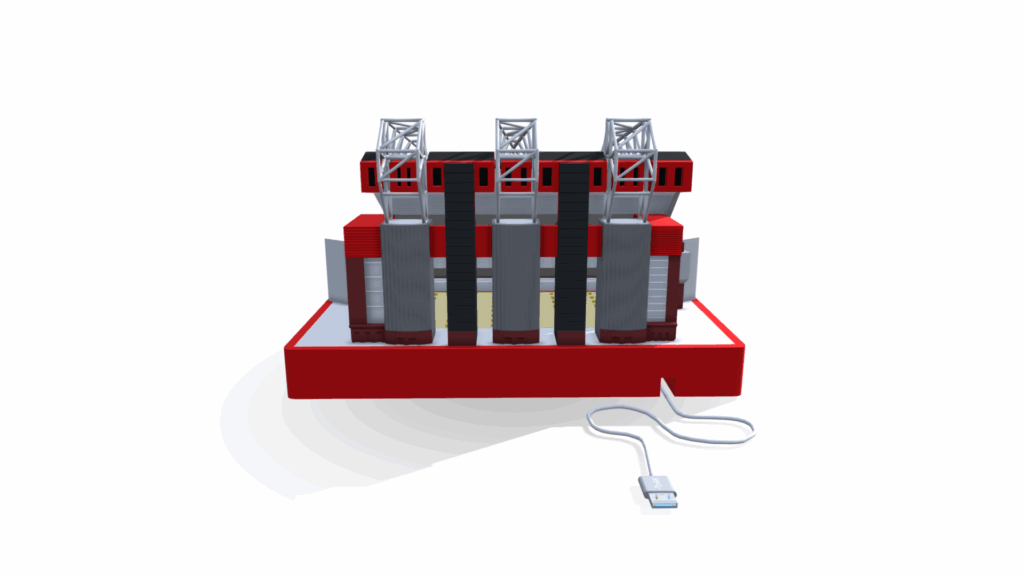
Old Trafford is more than a stadium — it is a monument to football history, ambition, resilience and global support. Known affectionately as the Theatre of Dreams, this iconic home of Manchester United has echoed with cheers for more than a century, becoming one of the most celebrated arenas in world sport. :contentReference[oaicite:0]{index=0}
Opened in 1910, Old Trafford’s first match was played between United and Liverpool, heralding the birth of what would become one of football’s most enduring venues. In its early decades, it grew steadily, surviving the devastation of World War II and showing the remarkable resilience of both the club and its supporters.
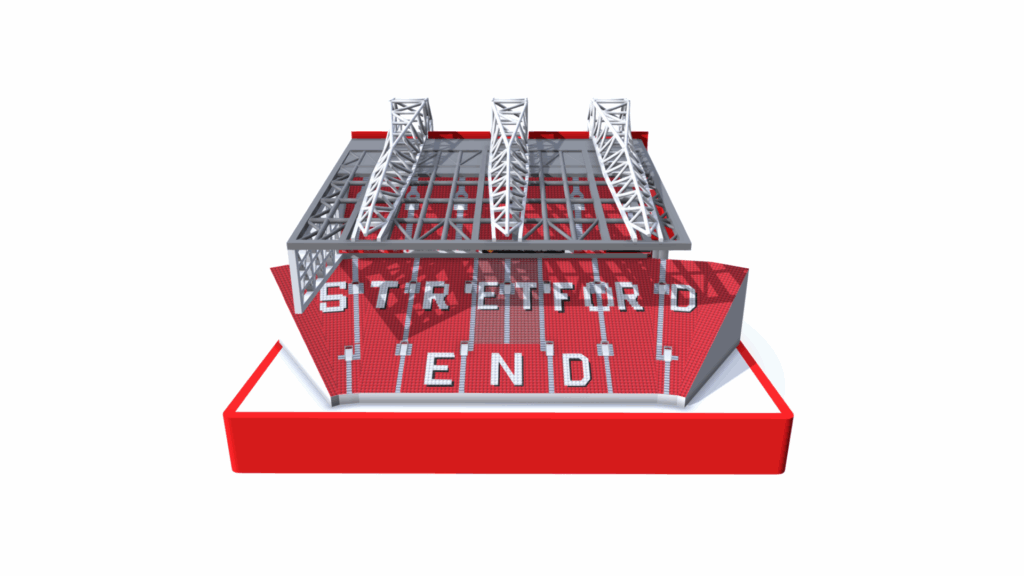
Old Trafford is renowned for its intimidating atmosphere. The famous Stretford End — a terrace then stand filled with the club’s most ardent supporters — became synonymous with passion and unity. Over the years, Old Trafford has expanded significantly in capacity and comfort, reflecting Manchester United’s evolution into a global footballing powerhouse. :contentReference[oaicite:1]{index=1}
History and Development
Built just six years after Manchester United’s formation, Old Trafford has seen transformation both on and off the pitch. By the 1930s, the stadium became a fortress for the club’s league success. In the 1950s and 60s, further expansion helped crowd sizes swell as the club’s profile rose domestically and in Europe.
The stadium’s most dramatic chapter came during the Second World War, when it was heavily damaged in air raids. Reconstruction was swift, and the ground was restored, retaining its iconic stands while benefiting from modern improvements. Through the Busby era, and later the Sir Alex Ferguson period, Old Trafford hosted mirroring success on the pitch. :contentReference[oaicite:2]{index=2}
Stands, Capacity and Features
Today Old Trafford can hold more than 74,000 fans, making it the largest club stadium in English football. Each stand reflects a different chapter of its development:
Stretford End: The emotional heart of Old Trafford, known for loud support and fierce loyalty.
Sir Bobby Charlton Stand: Named after the legendary United icon, combining history with modern infrastructure.
East and West Stands: Vast swathes of seating with premium facilities and club heritage displays.
The stadium also holds United’s museum and megastore — a focal point for fans worldwide who come to experience the club’s legacy. :contentReference[oaicite:3]{index=3}
Memorable Moments
Old Trafford has hosted some of United’s most iconic matches: from dramatic Premier League title deciders, European nights against elite rivals, to unforgettable comebacks that encapsulate the club’s fighting spirit. Legends such as George Best, Eric Cantona and Cristiano Ronaldo have graced this pitch, leaving their mark on its history.
In recent years, the stadium has served not just football but FA Cup finals, League Cup ties, and international fixtures, underscoring its versatility and enduring appeal. :contentReference[oaicite:4]{index=4}
Why Old Trafford Matters
Old Trafford’s significance transcends sport. It sparks pride in Manchester and admiration across the globe. Its presence in the Premier League today continues to draw huge crowds, consistent home advantage and a sense of belonging for millions of supporters. :contentReference[oaicite:5]{index=5}
Whether you’re reliving history or celebrating modern triumphs, Old Trafford remains a place where football dreams are lived and remembered.
Explore a detailed build‑at‑home Old Trafford model, statues of United legends, and more memorable football memorabilia.
Arsenal Highbury Stadium – The Story, Structure and Spirit of a Footballing Icon
Highbury Stadium occupies a unique place in football history. Officially known as Arsenal Stadium, it was more than a venue for matches — it was a symbol of progress, style and stability at a time when football grounds were often purely functional. From its earliest days in the Edwardian era to its final emotional farewell in 2006, Highbury mirrored the evolution of Arsenal Football Club itself.
Although Arsenal moved to the Emirates Stadium to meet the demands of modern football, Highbury remains the emotional reference point for many supporters. Its architecture, atmosphere and traditions continue to influence Arsenal’s identity and inspire collectors, historians and fans around the world.
The Origins of Highbury and Arsenal’s Move North (1913–1929)
Arsenal’s relocation to Highbury in 1913 was a bold and controversial decision. Leaving Manor Ground in Plumstead, the club sought a site that would allow it to grow both commercially and competitively. Highbury, located in North London and close to transport links, offered that opportunity.
The first incarnation of Highbury was relatively modest. It consisted of a single covered stand and three open terraces, with spectators standing close to the pitch. Yet even in these early years, Highbury developed a reputation as a difficult ground for visiting teams, with the crowd’s proximity creating an intense atmosphere.
Following the First World War, Arsenal’s rise through the league system and their growing fanbase quickly made expansion essential. By the late 1920s, Highbury was already being reshaped to reflect Arsenal’s ambition to become one of England’s leading clubs.
Modernity, Style and the Art Deco Transformation
The arrival of Herbert Chapman as manager in 1925 changed Arsenal forever. Chapman believed that a football club should represent progress in every sense — tactics, professionalism, branding and infrastructure. Highbury became the physical expression of that vision.
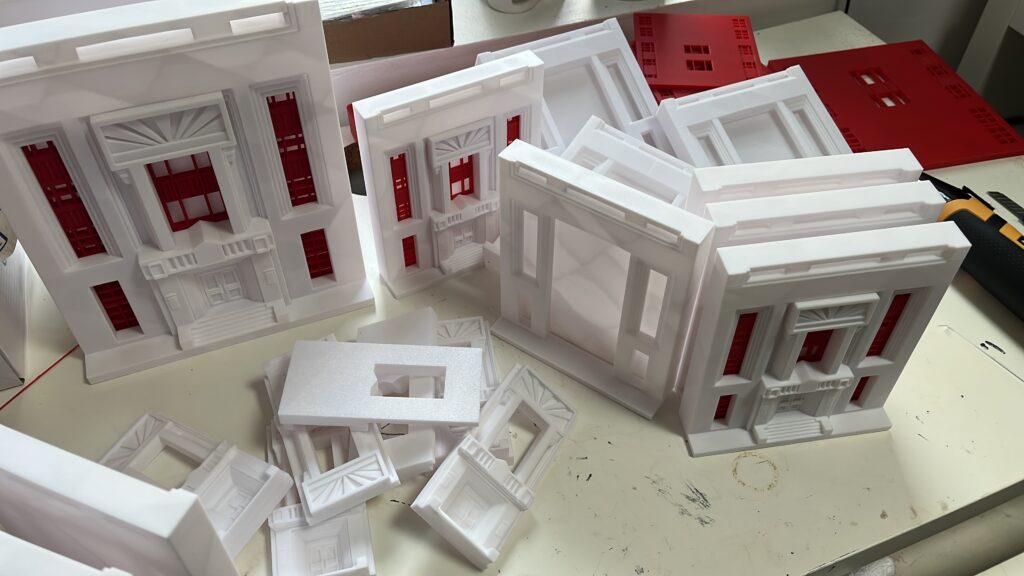
During the 1930s, the stadium underwent a dramatic transformation. The construction of the West Stand in 1932 and the East Stand in 1936 introduced an Art Deco aesthetic that was virtually unheard of in football grounds at the time. Clean lines, symmetry and quality materials gave Highbury a civic presence more akin to a public institution than a sports venue.
This period coincided with Arsenal’s first golden age, as the club dominated English football. Highbury became synonymous with success, innovation and elegance.
The West Stand – Authority, Prestige and Continuity
The West Stand was the cornerstone of Highbury’s identity. Opened in 1932, it housed the club’s executive offices, directors’ box, players’ tunnel and the legendary Marble Halls. It was designed to impress and to project stability at a time when football clubs were still fighting for legitimacy as major institutions.
The Marble Halls in particular became iconic. Lined with polished stone and decorated with classical motifs, they were unlike anything else in football. For players, walking through the Marble Halls before a match was a reminder that they were representing something greater than themselves.
Over the decades, the West Stand witnessed countless moments of transition — managers arriving and departing, captains lifting trophies, and generations of Arsenal players stepping onto the pitch. Despite modernisation elsewhere, the West Stand remained largely unchanged, acting as a bridge between Highbury’s past and present.
The East Stand – Architecture, Identity and the Famous Clock
Completed in 1936, the East Stand completed Highbury’s Art Deco vision. Its façade, with bold lettering spelling out “Arsenal Stadium,” became one of the most recognisable images in English football.
The stand was also home to the famous clock, installed in the early 1930s and later moved inside the stadium. The clock quickly became a symbol of Arsenal itself, representing time, tradition and continuity. Its presence gave rise to the term “Clock End,” embedding itself into football vocabulary.
When Arsenal moved to the Emirates Stadium, the decision to relocate the clock was deeply symbolic. It ensured that Highbury’s identity would carry forward into the modern era.
The North Bank – Passion, Noise and Belonging
If the West Stand represented authority, the North Bank represented emotion. For much of Highbury’s history, it was a standing terrace packed with the most vocal Arsenal supporters. Songs, chants and collective tension poured from the North Bank, particularly during tight title races.
The North Bank became synonymous with Highbury’s atmosphere. Visiting teams often spoke of the pressure created by the closeness of the crowd and the intensity of support. Even after its conversion to an all-seater stand in the early 1990s, the North Bank retained its identity and reputation.
On European nights and decisive league matches, the North Bank was often the difference between victory and defeat.
The Clock End – Tradition and Opposition
The Clock End traditionally housed away supporters and was the visual counterbalance to the North Bank. While it may not have matched the volume of the North Bank, it played a vital role in Highbury’s symmetry and atmosphere.
Redeveloped in the late 1990s, the Clock End was modernised while retaining the intimacy that defined Highbury. It became the final piece in the stadium’s evolution before the move to the Emirates Stadium.
Highbury in Numbers and Notable Records
Final Capacity: 38,419 Record Attendance: 73,295 (Arsenal vs Sunderland, 1935) Years in Use: 1913–2006 Pitch Dimensions: Approximately 100 x 67 metres
Iconic Matches, Players and Final Farewell
Highbury staged countless historic moments, from Arsenal’s dominance in the 1930s to the unforgettable 2003–04 Invincibles season. The stadium was the setting for elegant football, fierce rivalries and emotional goodbyes.
Legends such as Tony Adams, Ian Wright, Dennis Bergkamp, Patrick Vieira and Thierry Henry defined eras at Highbury. Their achievements continue to be celebrated through collectible statues of historic Arsenal players.
The final match in 2006 was a poignant moment, marking the end of one chapter and the beginning of another at the Emirates Stadium.
Highbury After Football and Its Living Legacy
Following Arsenal’s departure, Highbury was transformed into Highbury Square. The preservation of the East and West Stand façades ensured that the stadium’s architectural and cultural legacy would endure.
For Arsenal supporters, Highbury remains a place of memory, pride and identity — a stadium that shaped the club’s character for nearly a century.
Build Highbury at Home
Highbury’s legacy now lives on in physical form through detailed replicas and memorabilia. A build-at-home Highbury Stadium model, a striking Highbury lightbox frame, or other Arsenal-inspired pieces allow fans to celebrate one of football’s most iconic grounds.
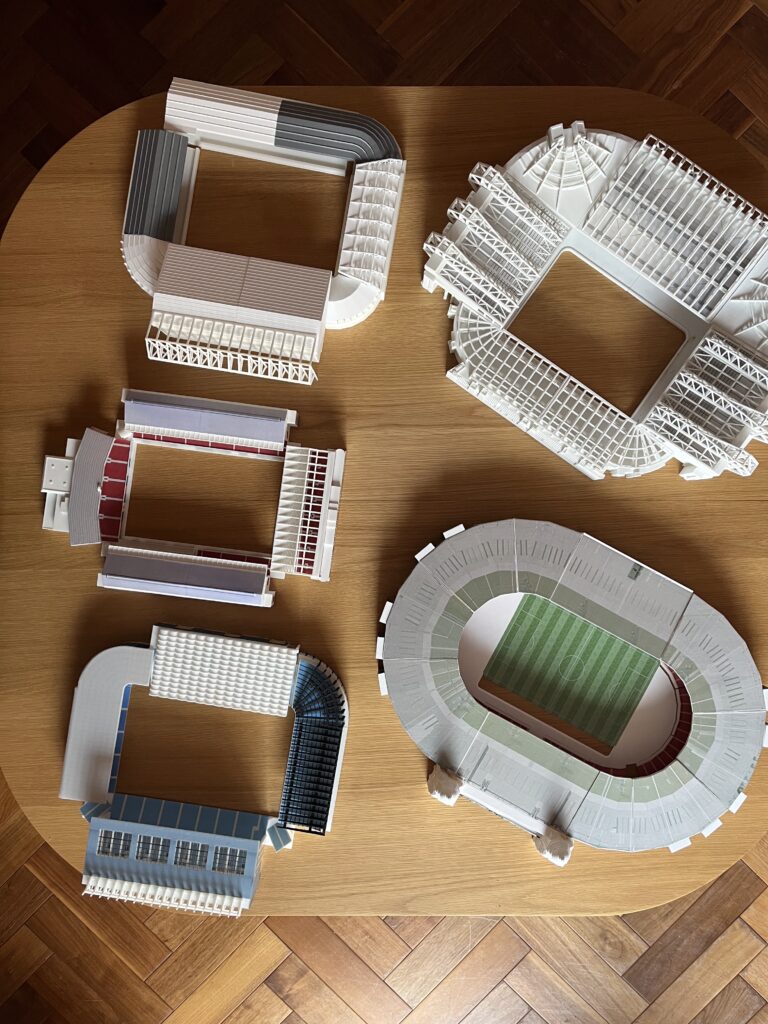
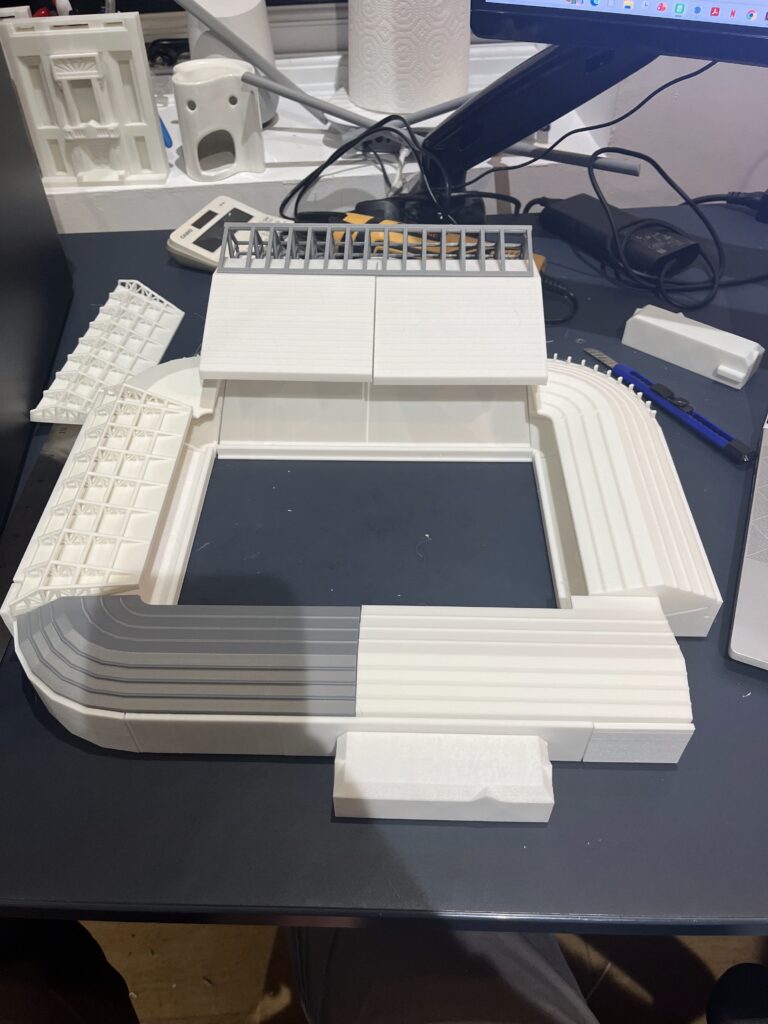
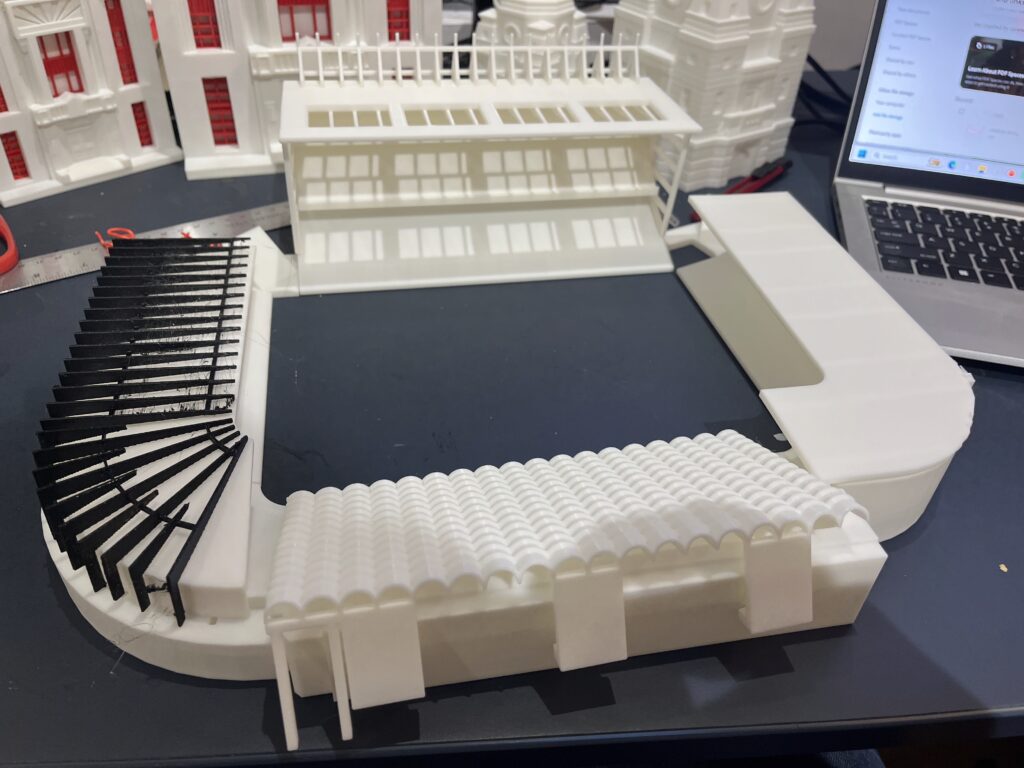
Creating a stadium model is a blend of architectural accuracy, digital craftsmanship, and advanced manufacturing. Every model we produce goes through a carefully considered process to ensure it captures the character, scale, and atmosphere of the real venue.
1. Research & Reference Gathering
Every stadium begins with deep research.
We collect and analyse:
Architectural plans and drawings (where available)
High-resolution photographs from multiple angles
Aerial imagery and site context
On-site visits to understand scale, materials, and spatial relationships
This stage allows us to go beyond surface detail and understand how the stadium truly works as a structure and as a place.
2. Advanced CAD Design
Using professional-grade architectural and engineering CAD software, we translate real-world data into a precise digital model.
This includes:
Accurate geometry and proportions
Structural forms such as stands, roofs, and façades
Key architectural features that define the stadium’s identity
Models are designed with both visual accuracy and manufacturability in mind, ensuring they can be assembled cleanly while retaining detail.
3. Digital Prototyping & Testing
Before anything is produced physically, the digital model is tested and refined.
We:
Break the stadium into logical build sections
Test assembly sequences digitally
Adjust tolerances for real-world materials
Optimise wall thickness and connection points
This ensures each model is buildable, durable, and enjoyable to assemble.
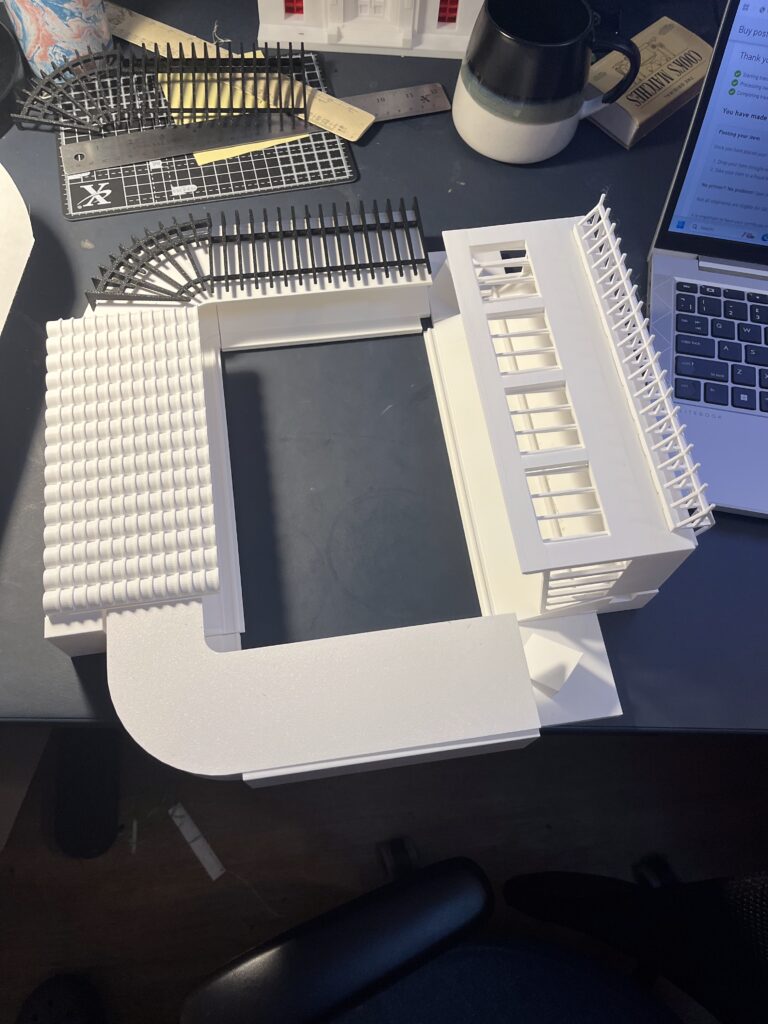
4. High-Tech Manufacturing
Once the design is finalised, production begins using advanced manufacturing methods.
Precision 3D Printing
We use high-resolution industrial-grade 3D printing to produce:
Structural components
Detailed architectural features
Seating tiers, roof elements, and façades
This allows us to achieve levels of detail not possible with traditional moulding methods.
Custom Graphics & Sticker Production
To bring the stadium to life, we design and produce:
Pitch markings
Seating patterns
Sponsor boards and signage
External branding elements
These are printed using high-quality materials to ensure clarity, colour accuracy, and long-term durability.
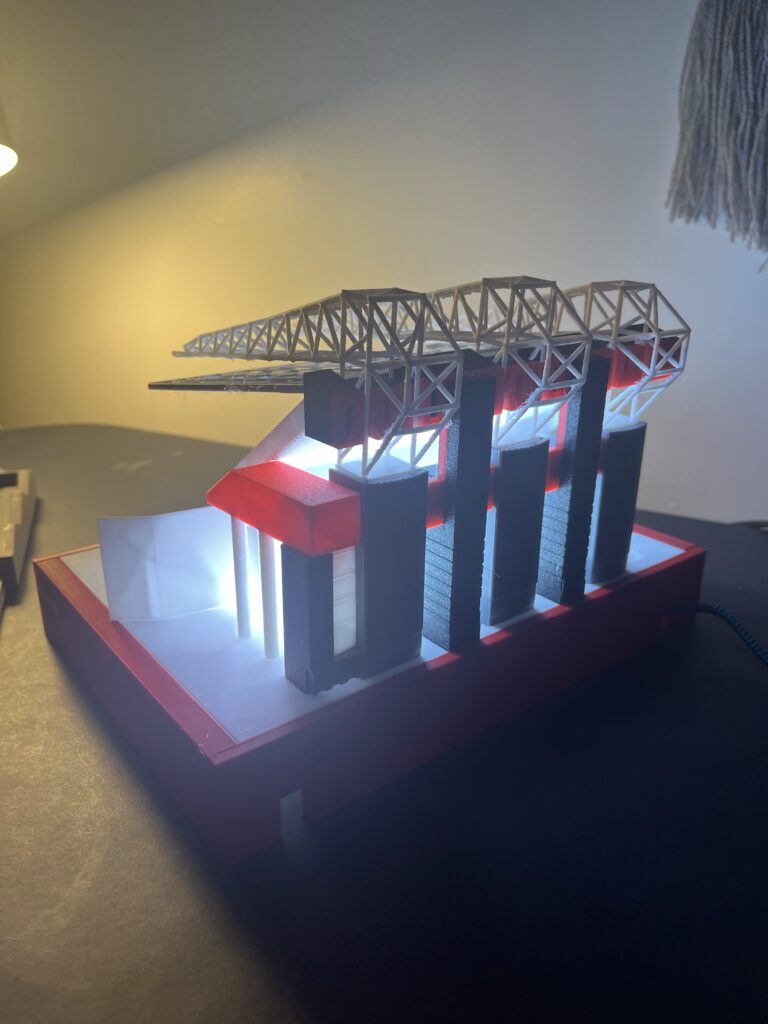
Integrated Lighting Engineering (Selected Models)
For certain stadium models, we incorporate engineered lighting systems.
This includes:
Low-voltage LED lighting
Concealed cable routing designed into the model
Even light distribution across seating and concourses
Lighting is planned during the CAD stage to ensure it integrates seamlessly into the structure.
5. Quality Control & Kit Preparation
Every model is checked before packing.
We ensure:
Parts fit correctly and assemble as intended
Printed components meet quality standards
Graphics align accurately with physical elements
Kits are complete and clearly organised
Models are then packaged as build-at-home kits, ready for assembly.
6. Designed to Be Built
Our stadium models are created not just to be displayed, but to be built.
Clear design, logical assembly, and carefully considered components mean the build process is:
Structured
Enjoyable
Accessible to hobbyists
The result is a finished model that feels both technically impressive and personally rewarding.
Precision. Passion. Place.
From architectural plans to a finished display piece, every stadium model is designed to honour the place it represents. We combine architectural thinking with modern manufacturing to create models that celebrate sport, structure, and memory.