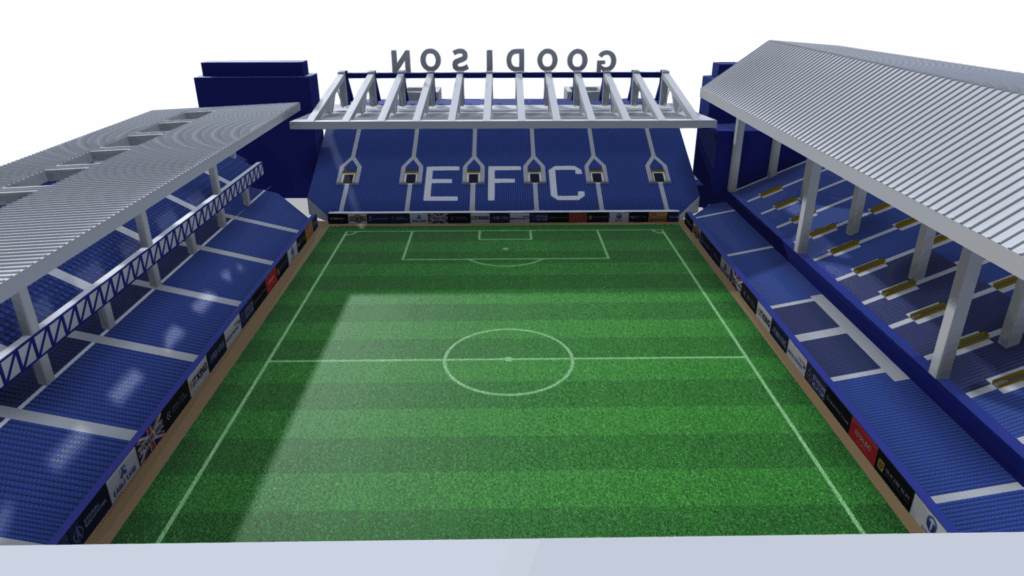
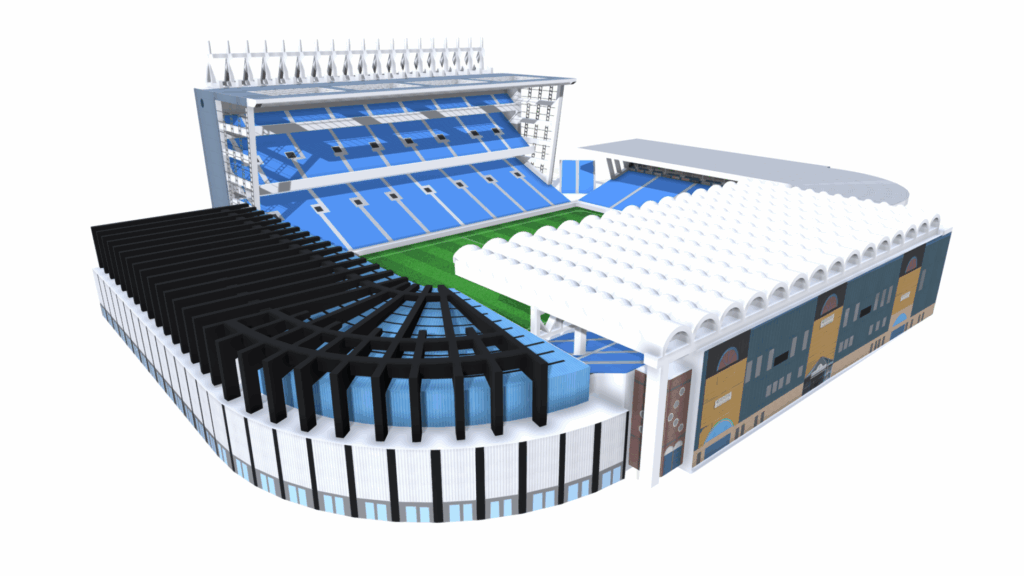
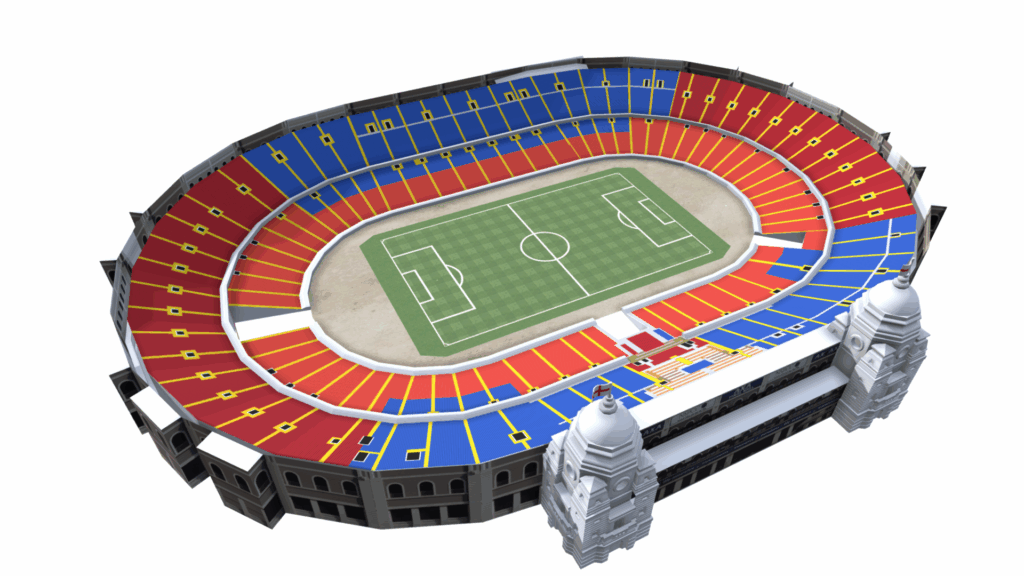
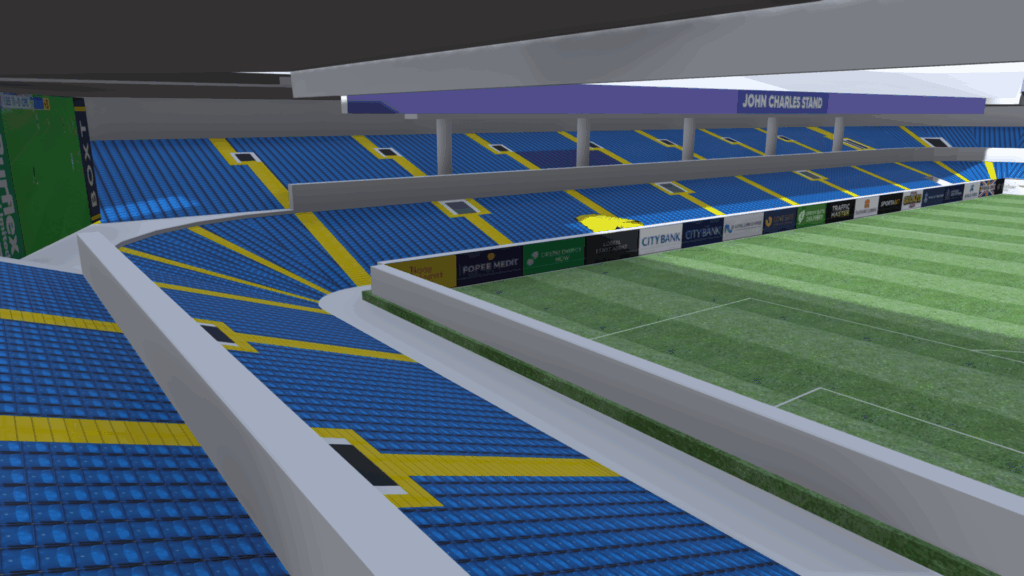
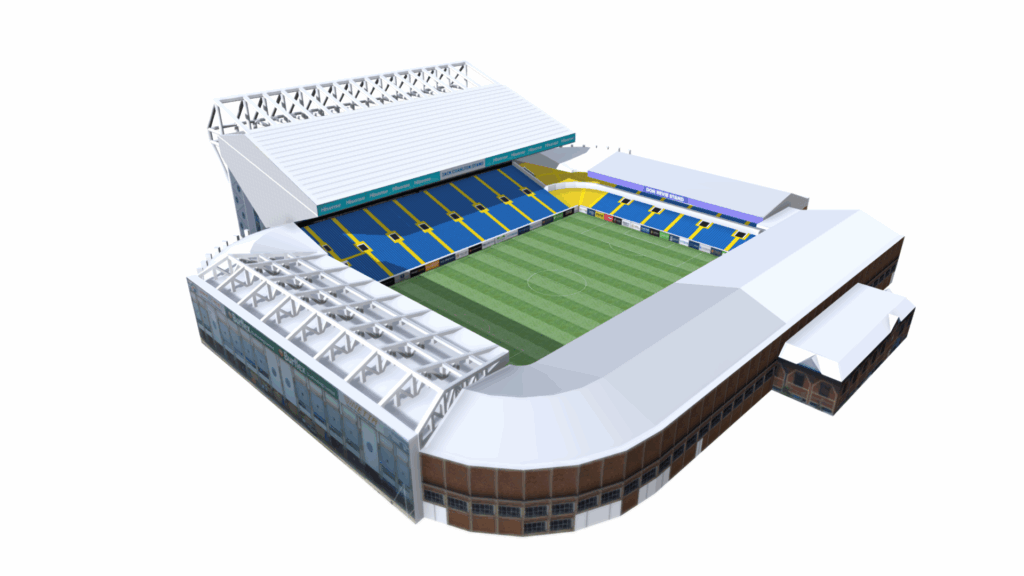
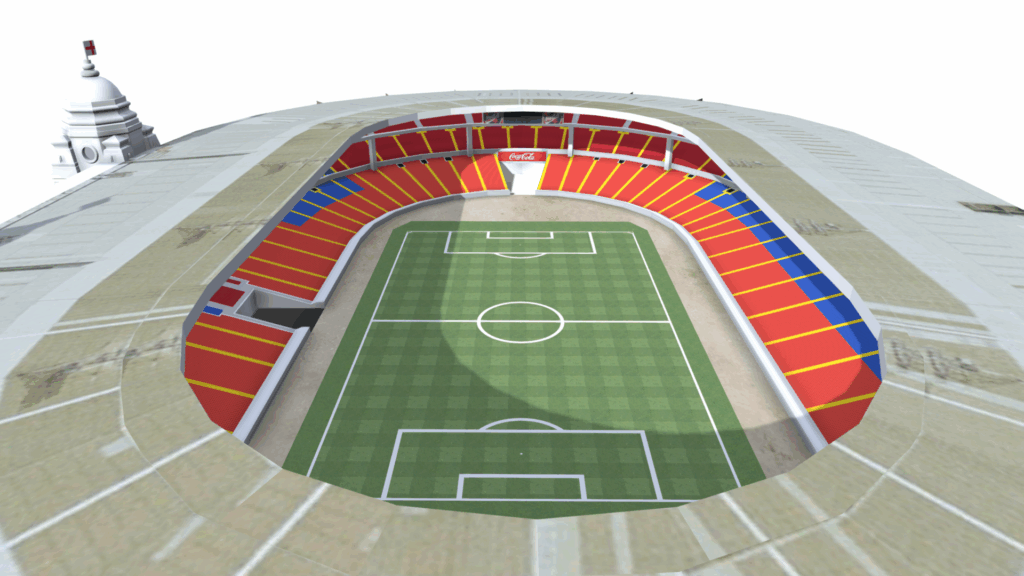
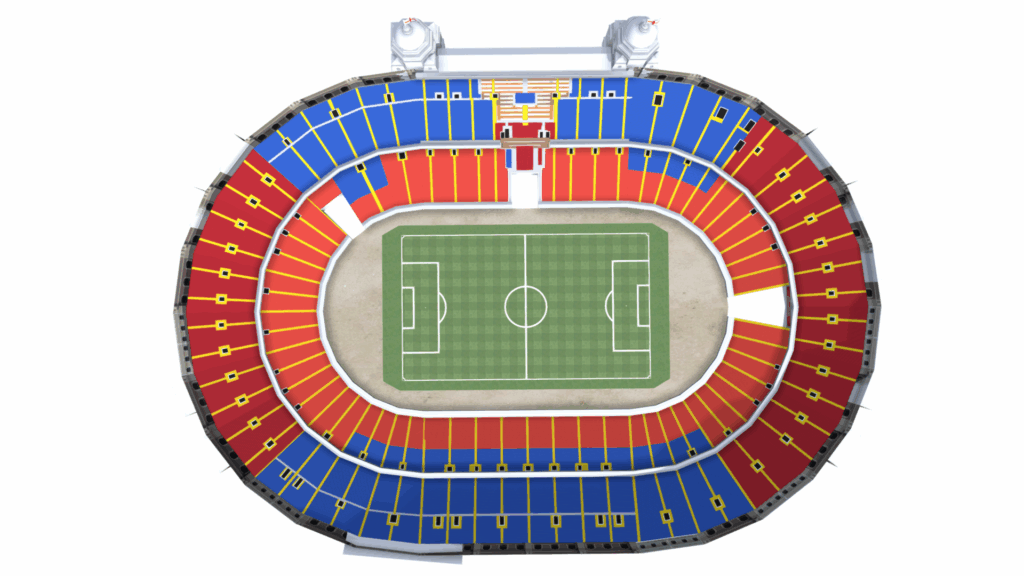
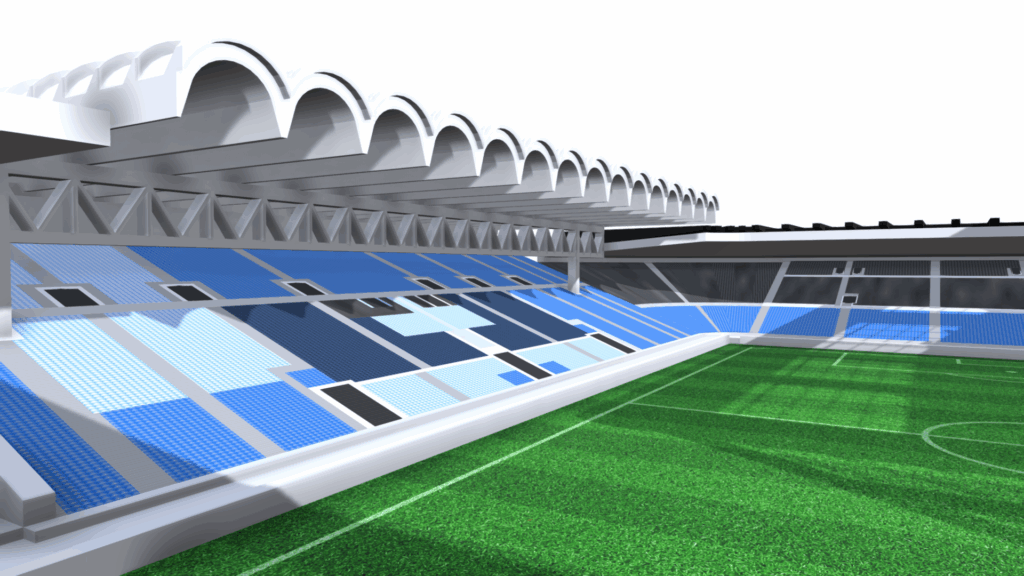
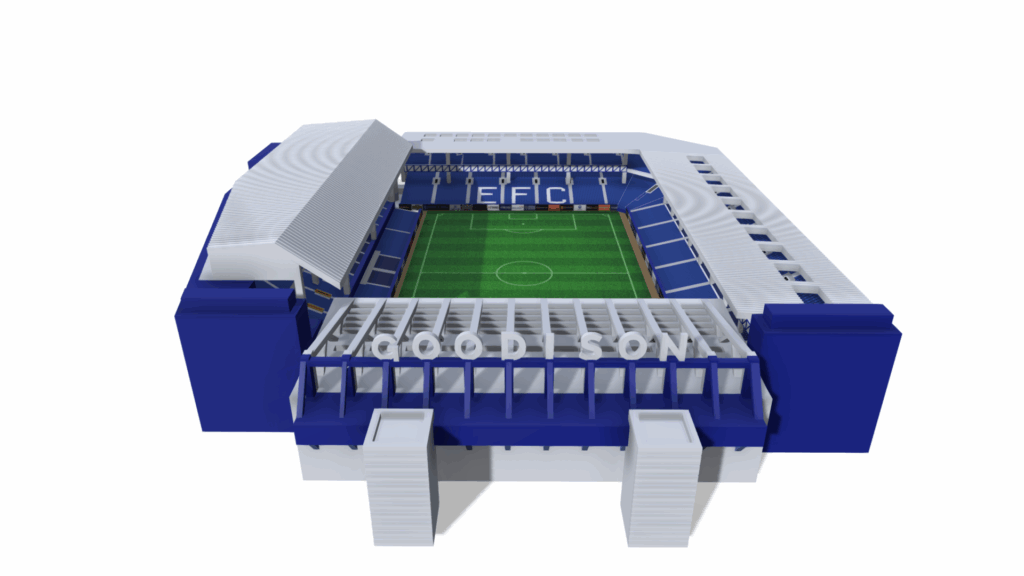
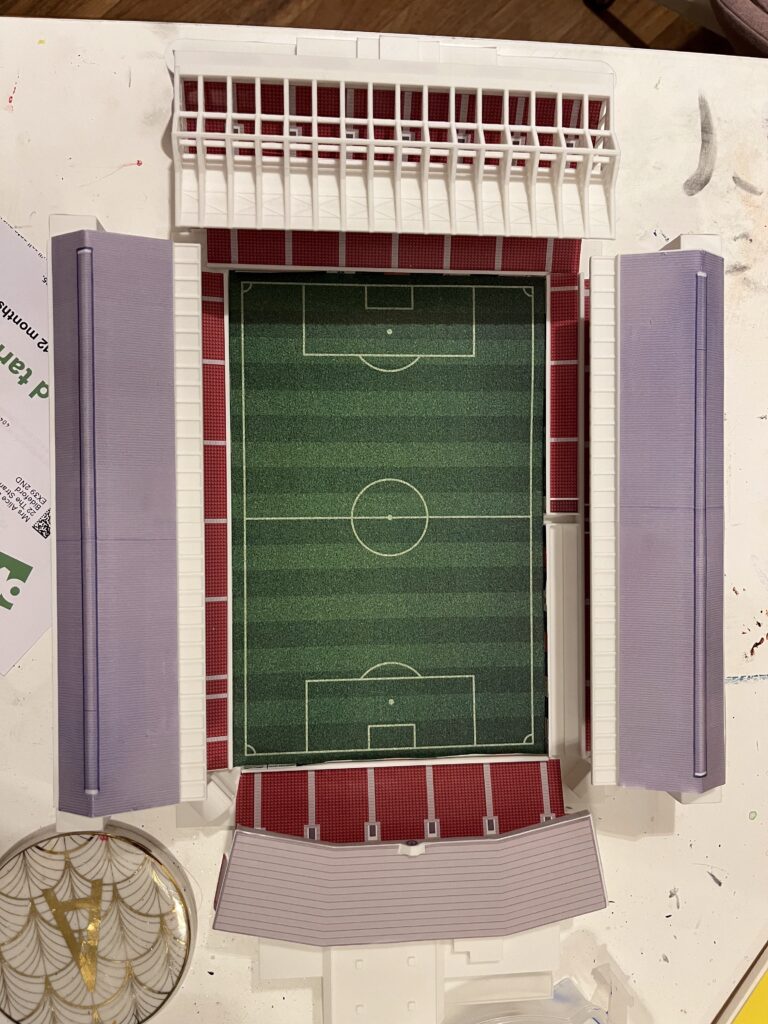
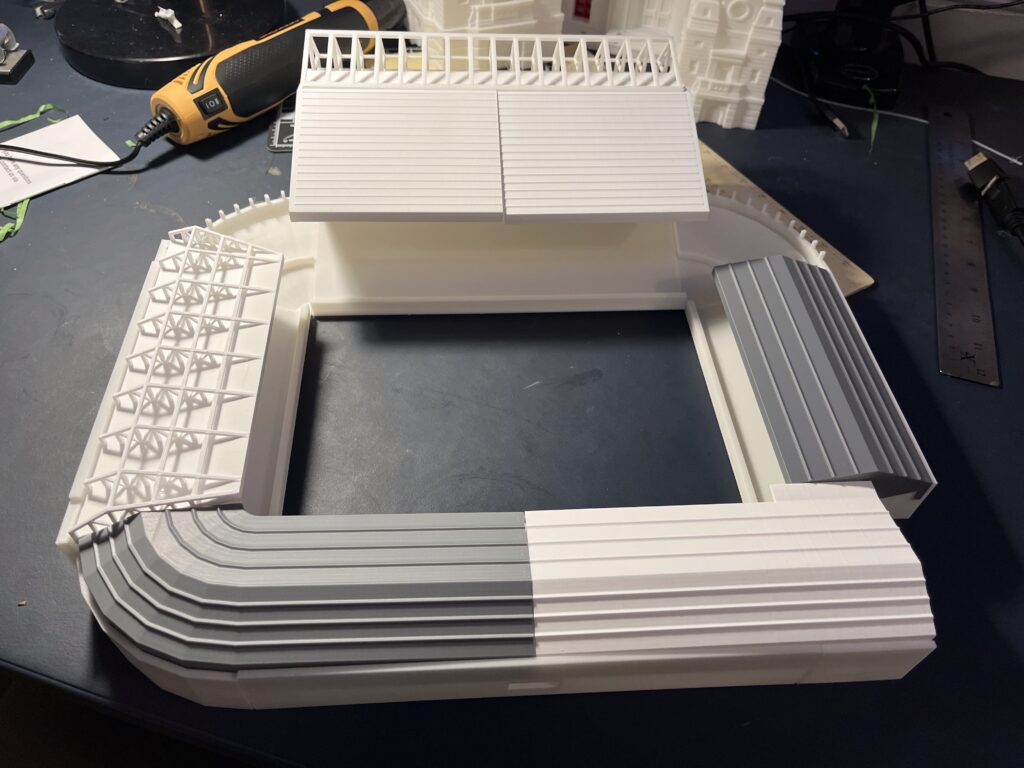
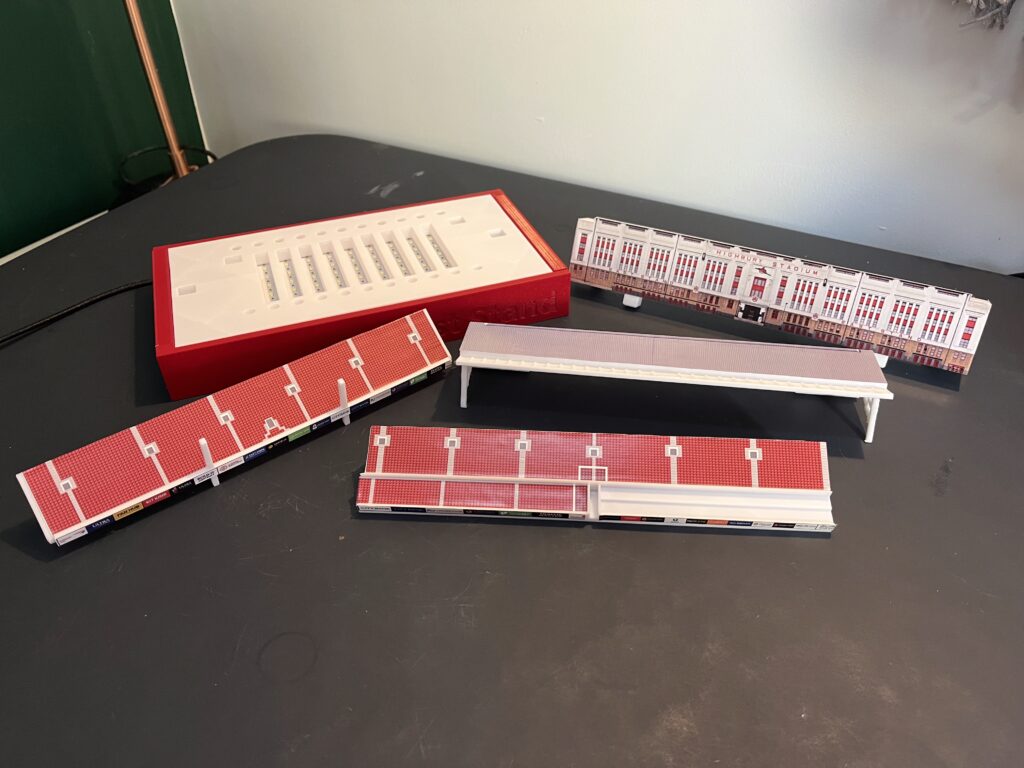
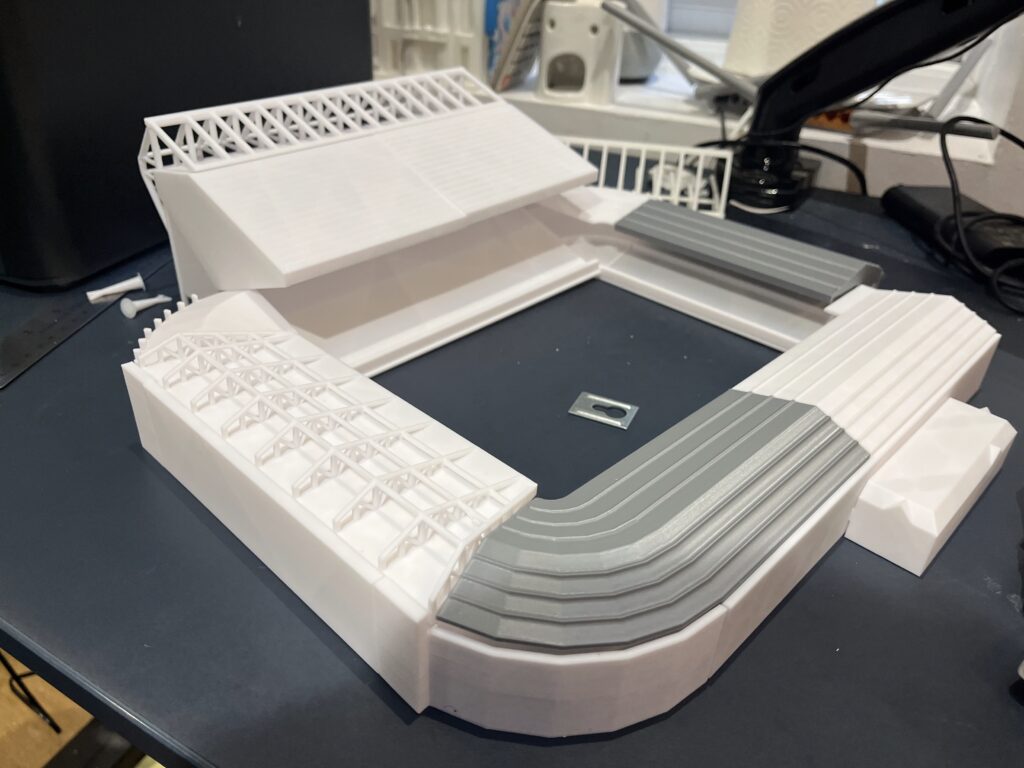
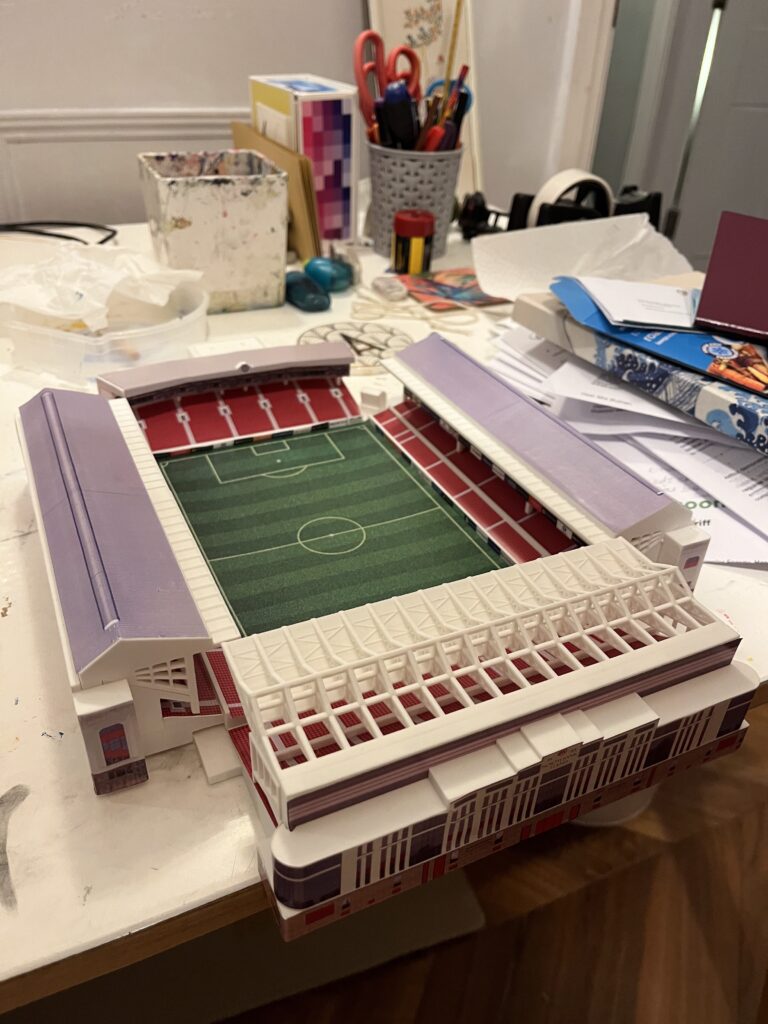
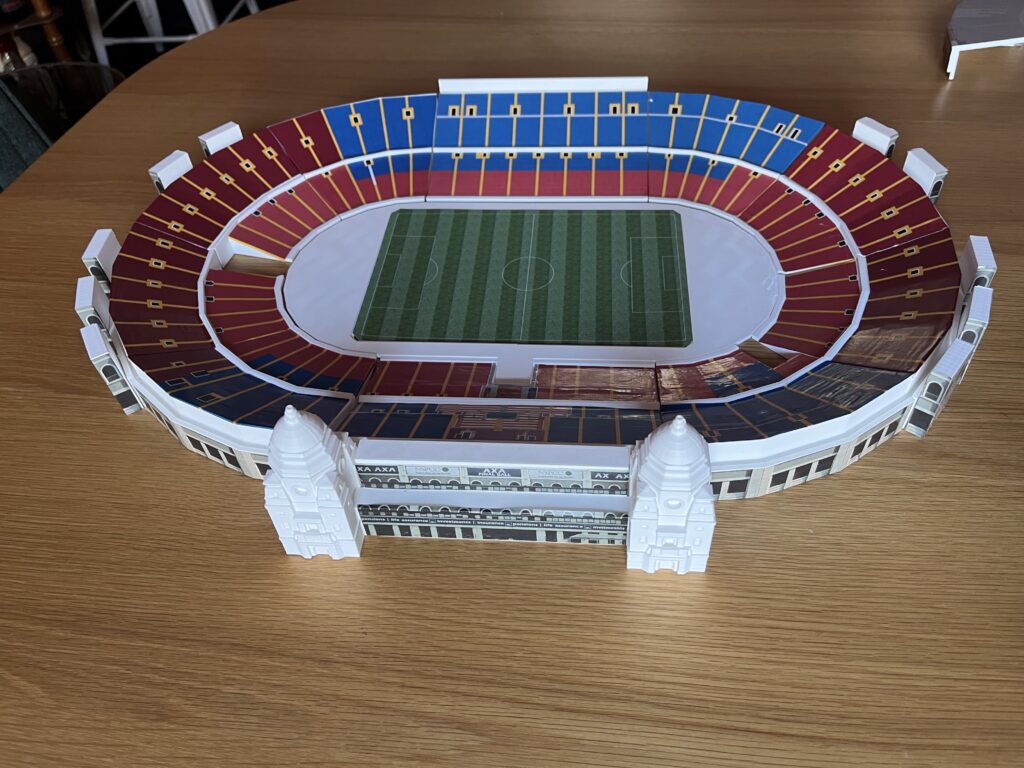
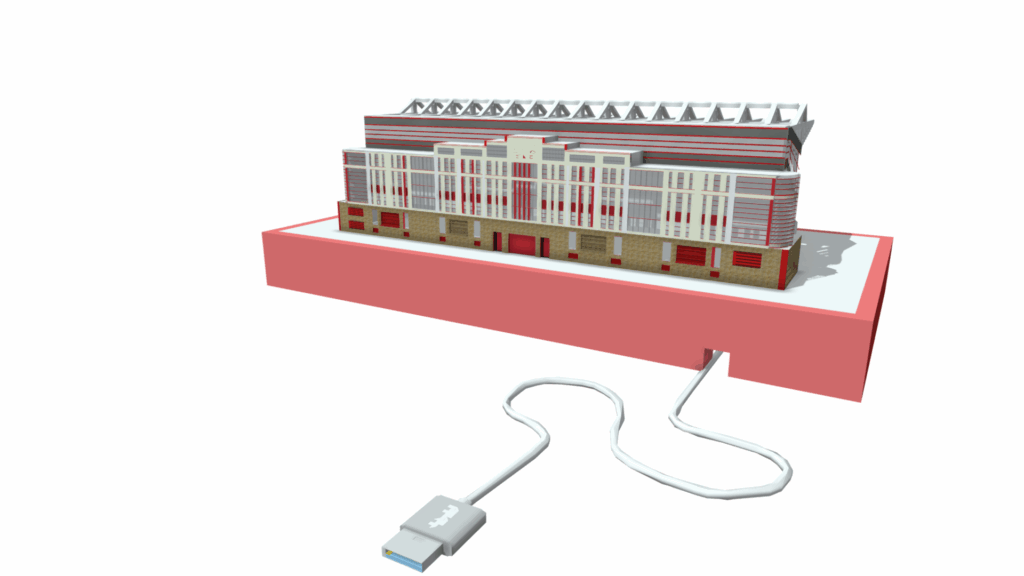
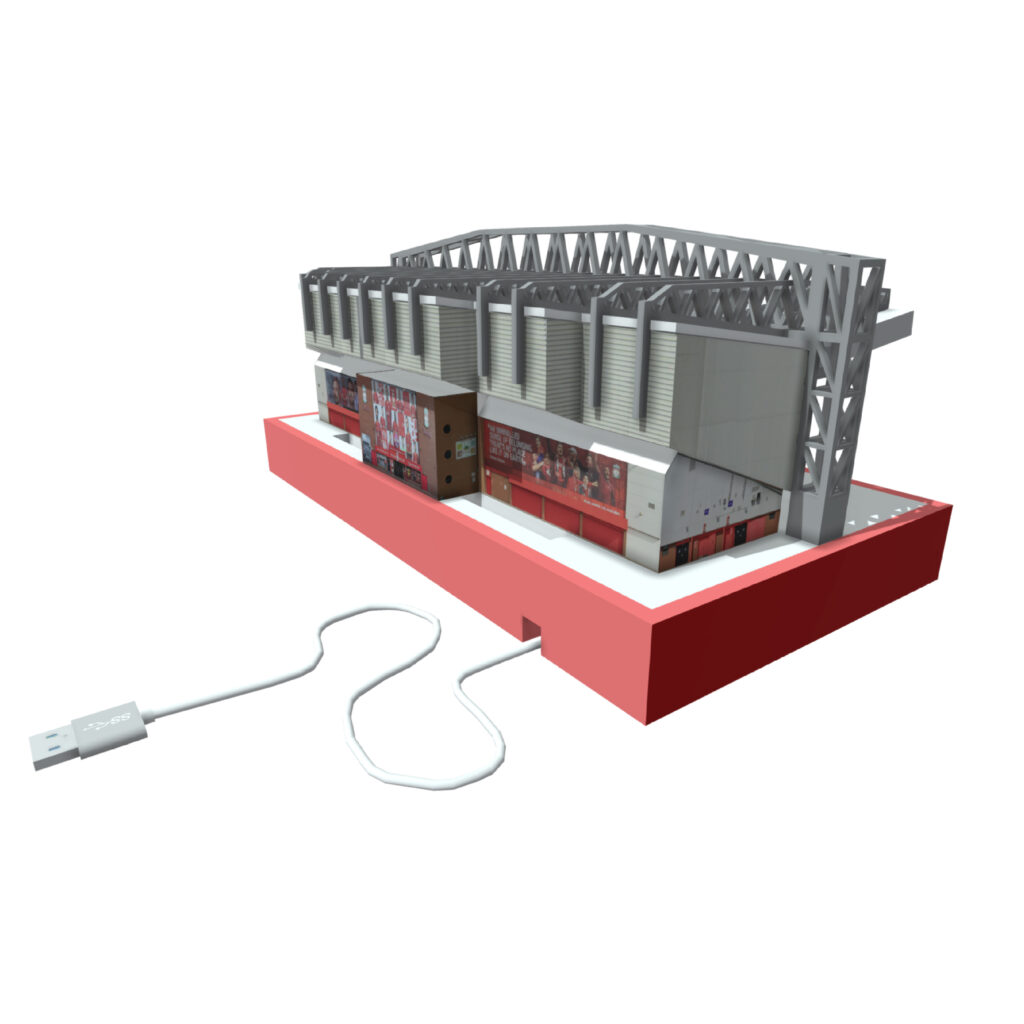
Craven Cottage, nestled by the Thames, has been Fulham Football Club’s home since 1896. Known for its picturesque riverside setting, charming old-school architecture, and intimate atmosphere, it stands out as one of the most iconic historic grounds in England. The stadium embodies Fulham’s rich footballing tradition while offering a unique matchday experience.
History and Development
Originally designed in the late 19th century, Craven Cottage has undergone several redevelopments to meet modern safety and comfort standards while retaining its historic charm. The iconic Johnny Haynes Stand, opened in 1905 and redeveloped in the 1990s, remains a highlight, representing over a century of football heritage.
Stands and Features
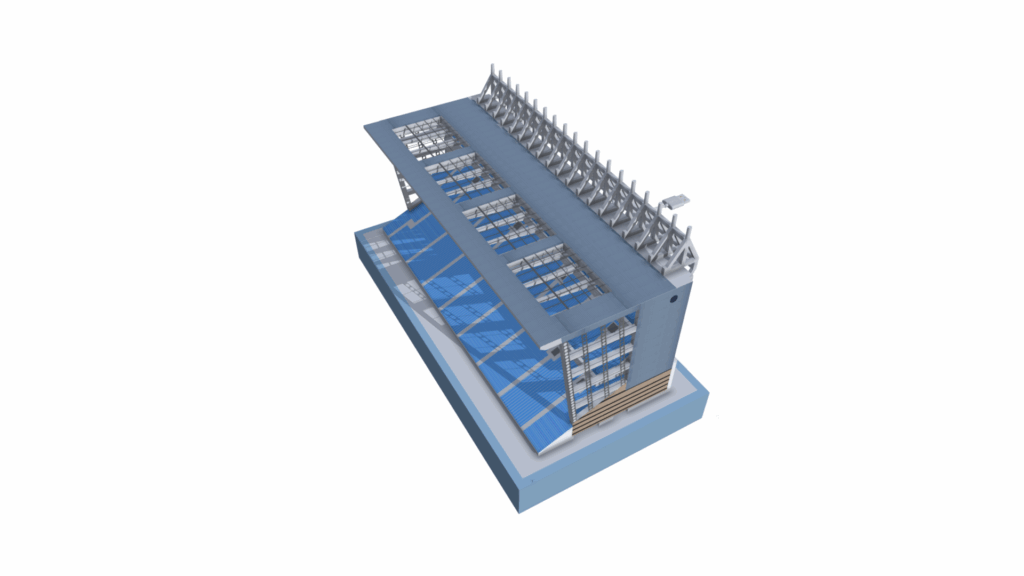
Johnny Haynes Stand: Historic main stand with classic architecture and premium seating.
Riverside Stand: Renovated to modern standards, providing excellent views along the Thames.
Cottage End: Home supporter section, keeping Fulham’s fan culture alive.
Putney End: Away supporters’ area with seating and modern facilities.
Notable Matches and Legends
Craven Cottage has hosted legendary players like Johnny Haynes, George Best (guest appearances), and Clint Dempsey. It has witnessed historic cup runs, tense Premier League fixtures, and international matches. Its intimacy makes every matchday feel personal, with fans close to the action.
Legacy and Fan Culture
The stadium maintains Fulham’s identity as a historic, family-friendly club in West London. Matchday traditions, chants, and riverside scenery combine to make Craven Cottage a unique venue in the Premier League.
Bring Craven Cottage into your collection with a build-at-home Fulham Stadium model or player statues.
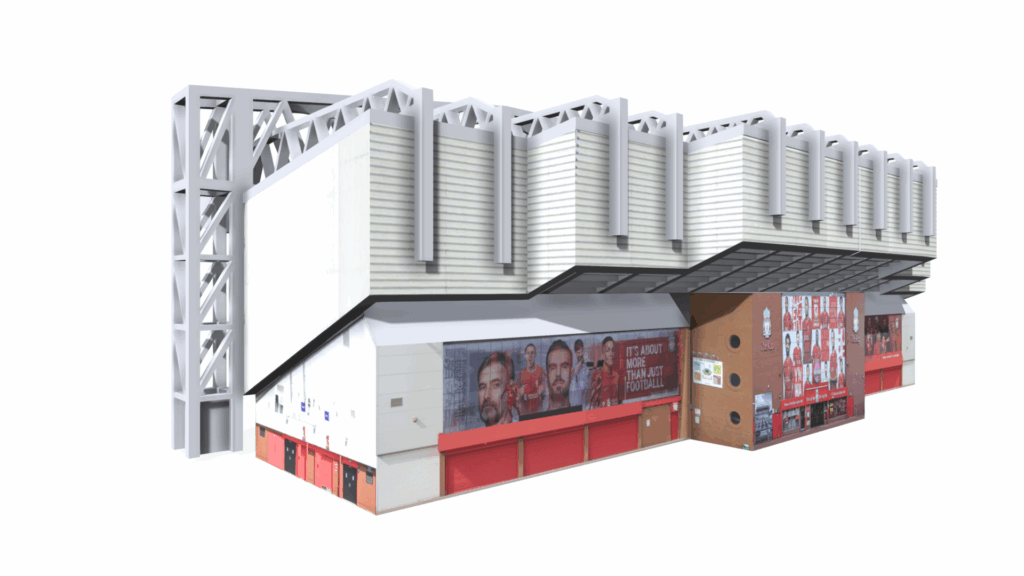
Anfield is one of football’s most atmospheric and historic stadiums. Since opening in 1884, it has become synonymous with the passion and collective voice of Liverpool supporters. The roar of the Kop, the chants that sweep across the stands, and the sense of tradition make Anfield one of English football’s true cathedrals. :contentReference[oaicite:6]{index=6}
Originally built for Everton before Liverpool’s founding, Anfield has evolved with the club’s journey from regional contender to global giant. Its distinct identity comes less from size and more from its emotional weight. :contentReference[oaicite:7]{index=7}
History and Evolution
Anfield’s story is deeply tied to the city of Liverpool and the rise of its football club. Through early league competition, legendary managers like Bill Shankly and Bob Paisley, and eras of European triumph, Anfield has stood as a theatre of epic moments.
Over decades, the stadium expanded with multiple renovations, including the redevelopment of the Main Stand and improvements to the Kop, preserving heritage while enhancing capacity and services. :contentReference[oaicite:8]{index=8}
Key Stands and Features
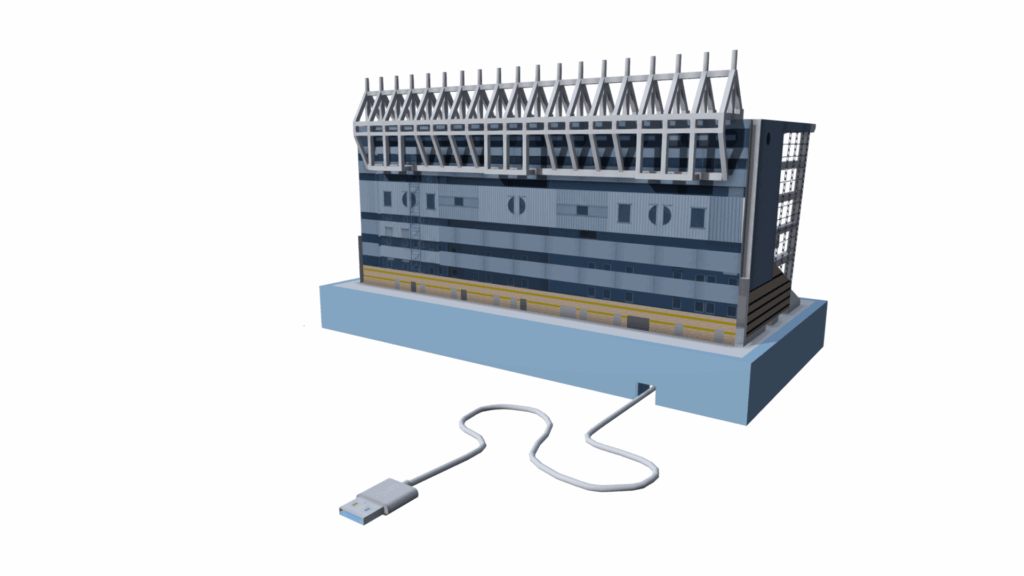
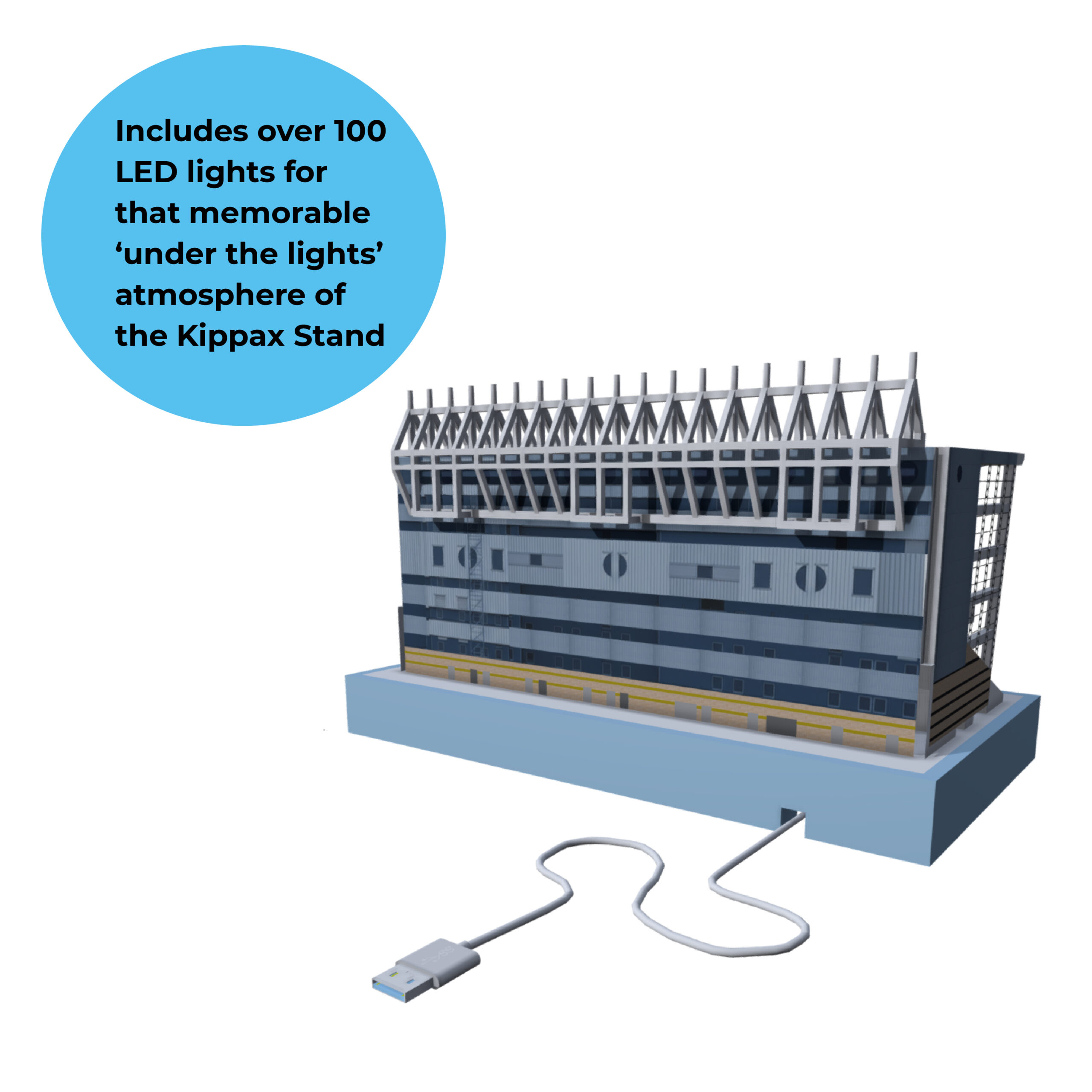
The Kop: Arguably the most iconic terrace in world football, famed for its volume and unity.
Main Stand: A modernised structure with hospitality suites and premium seating.
Anfield Road and Kemlyn Road: Loyal home support and vibrant matchday culture.
These stands not only house fans but embody Liverpool’s spirit — resilience, passion and unwavering belief. :contentReference[oaicite:9]{index=9}
Historic Matches and Moments
From League title clashes to European nights under floodlights, Anfield has hosted unforgettable encounters. Its atmosphere has turned potential losses into historic comebacks, making it a feared venue for visiting teams. :contentReference[oaicite:10]{index=10}
Liverpool legends including Ian Rush, Steven Gerrard and Mohamed Salah have each experienced Anfield’s unique energy — driving the team to success and thrilling fans along the way.
Legacy and Culture
Anfield is more than bricks and seats — it’s a home where songs like “You’ll Never Walk Alone” resonate as anthems of unity and pride. Even in quieter seasons, the stadium draws capacity crowds, a testament to Liverpool’s enduring global support. :contentReference[oaicite:11]{index=11}
Discover a detailed Anfield build‑at‑home model, Liverpool player statues, and stadium memorabilia to bring the Kop spirit into your own space.
Old Trafford – The Theatre of Dreams Across the Ages
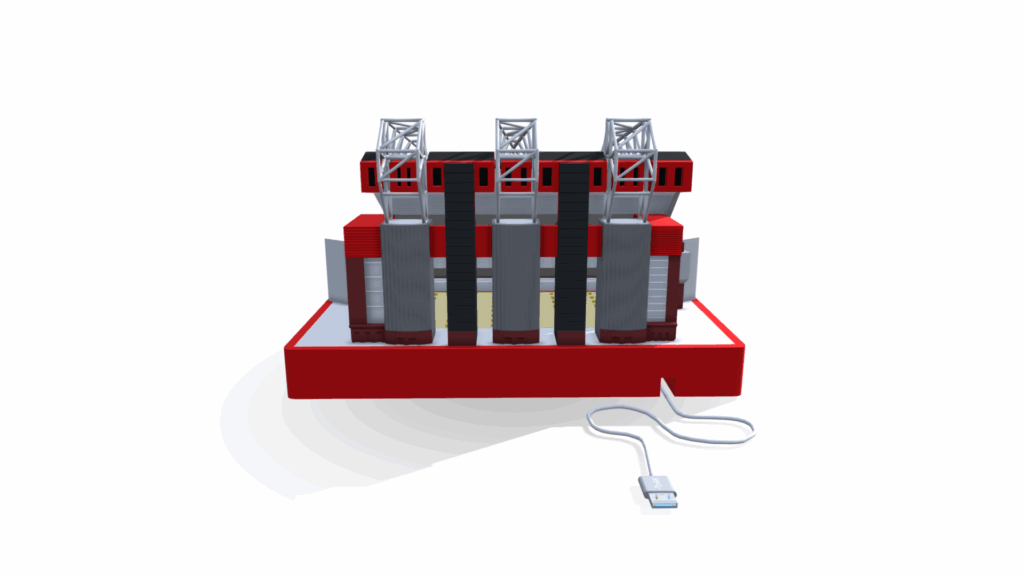
Old Trafford is more than a stadium — it is a monument to football history, ambition, resilience and global support. Known affectionately as the Theatre of Dreams, this iconic home of Manchester United has echoed with cheers for more than a century, becoming one of the most celebrated arenas in world sport. :contentReference[oaicite:0]{index=0}
Opened in 1910, Old Trafford’s first match was played between United and Liverpool, heralding the birth of what would become one of football’s most enduring venues. In its early decades, it grew steadily, surviving the devastation of World War II and showing the remarkable resilience of both the club and its supporters.
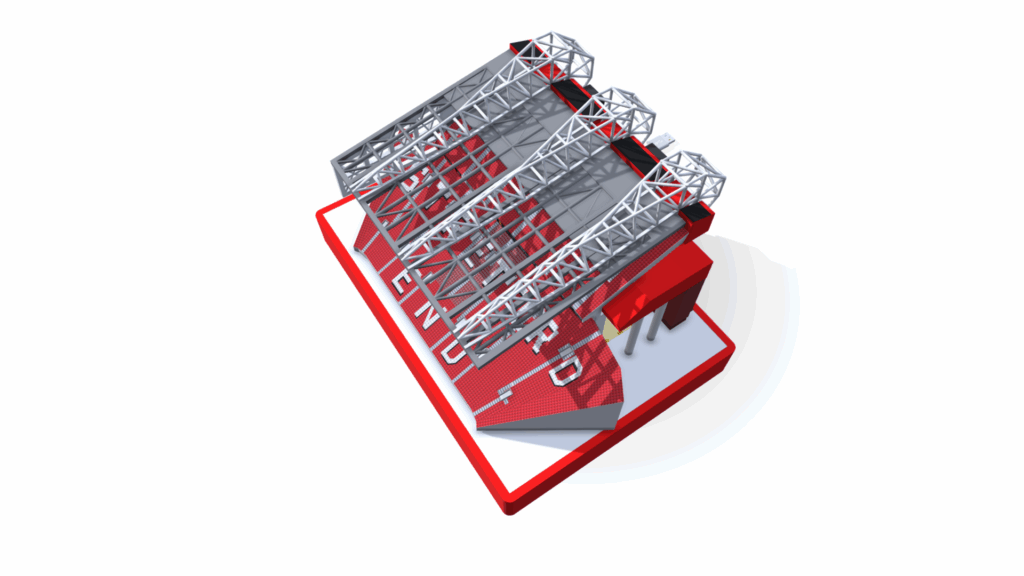
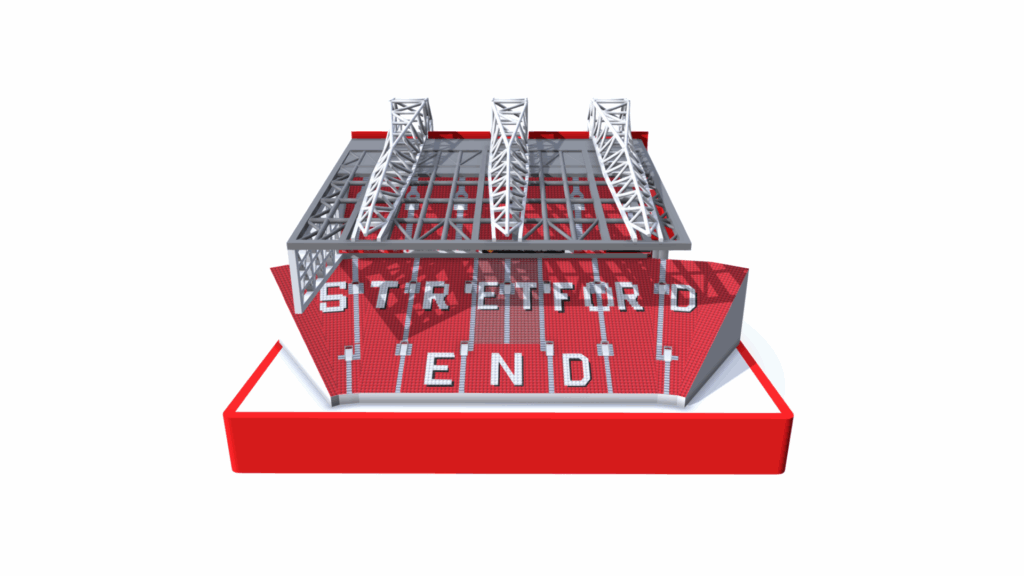
Old Trafford is renowned for its intimidating atmosphere. The famous Stretford End — a terrace then stand filled with the club’s most ardent supporters — became synonymous with passion and unity. Over the years, Old Trafford has expanded significantly in capacity and comfort, reflecting Manchester United’s evolution into a global footballing powerhouse. :contentReference[oaicite:1]{index=1}
History and Development
Built just six years after Manchester United’s formation, Old Trafford has seen transformation both on and off the pitch. By the 1930s, the stadium became a fortress for the club’s league success. In the 1950s and 60s, further expansion helped crowd sizes swell as the club’s profile rose domestically and in Europe.
The stadium’s most dramatic chapter came during the Second World War, when it was heavily damaged in air raids. Reconstruction was swift, and the ground was restored, retaining its iconic stands while benefiting from modern improvements. Through the Busby era, and later the Sir Alex Ferguson period, Old Trafford hosted mirroring success on the pitch. :contentReference[oaicite:2]{index=2}
Stands, Capacity and Features
Today Old Trafford can hold more than 74,000 fans, making it the largest club stadium in English football. Each stand reflects a different chapter of its development:
Stretford End: The emotional heart of Old Trafford, known for loud support and fierce loyalty.
Sir Bobby Charlton Stand: Named after the legendary United icon, combining history with modern infrastructure.
East and West Stands: Vast swathes of seating with premium facilities and club heritage displays.
The stadium also holds United’s museum and megastore — a focal point for fans worldwide who come to experience the club’s legacy. :contentReference[oaicite:3]{index=3}
Memorable Moments
Old Trafford has hosted some of United’s most iconic matches: from dramatic Premier League title deciders, European nights against elite rivals, to unforgettable comebacks that encapsulate the club’s fighting spirit. Legends such as George Best, Eric Cantona and Cristiano Ronaldo have graced this pitch, leaving their mark on its history.
In recent years, the stadium has served not just football but FA Cup finals, League Cup ties, and international fixtures, underscoring its versatility and enduring appeal. :contentReference[oaicite:4]{index=4}
Why Old Trafford Matters
Old Trafford’s significance transcends sport. It sparks pride in Manchester and admiration across the globe. Its presence in the Premier League today continues to draw huge crowds, consistent home advantage and a sense of belonging for millions of supporters. :contentReference[oaicite:5]{index=5}
Whether you’re reliving history or celebrating modern triumphs, Old Trafford remains a place where football dreams are lived and remembered.
Explore a detailed build‑at‑home Old Trafford model, statues of United legends, and more memorable football memorabilia.
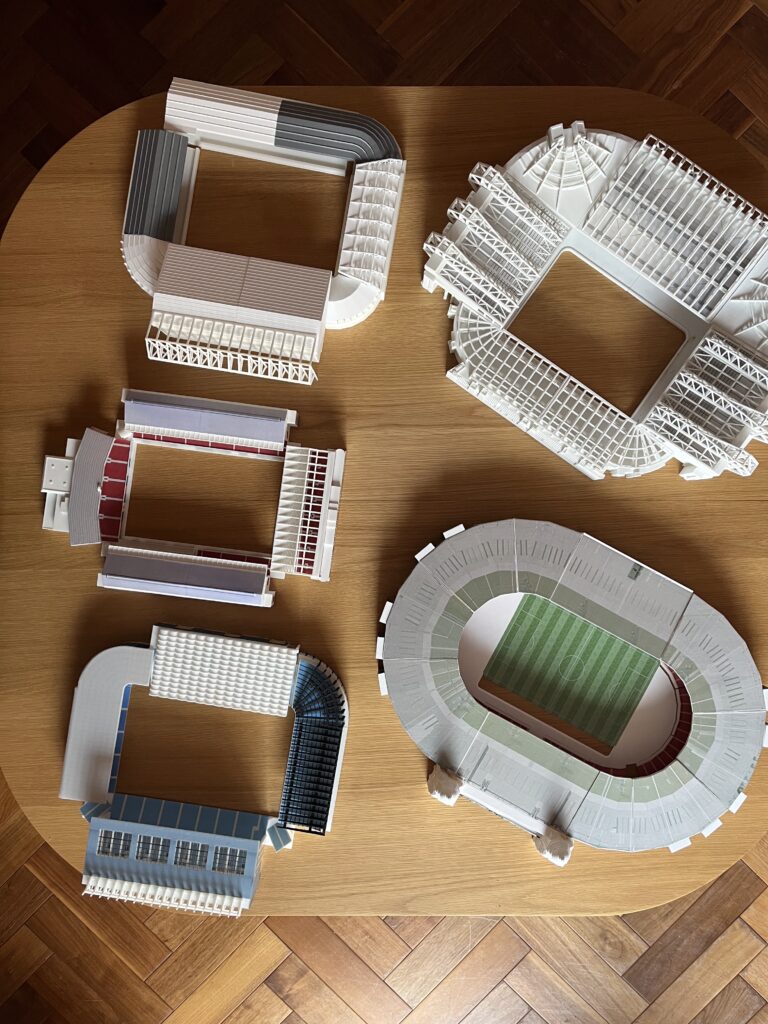
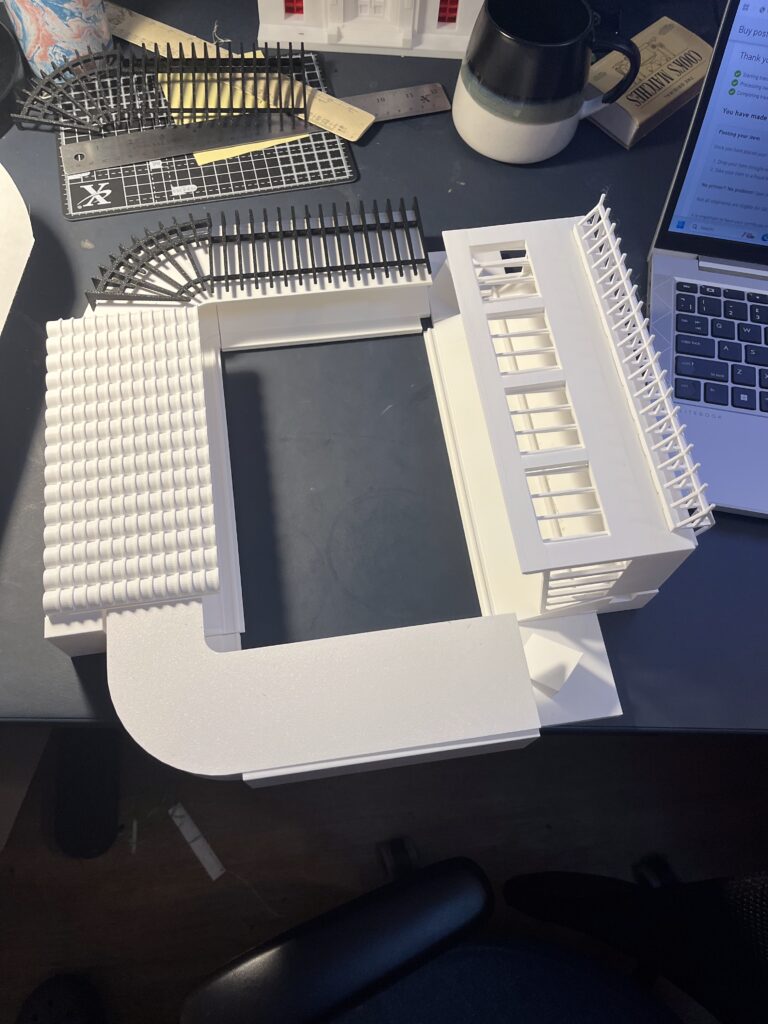
Creating a stadium model is a blend of architectural accuracy, digital craftsmanship, and advanced manufacturing. Every model we produce goes through a carefully considered process to ensure it captures the character, scale, and atmosphere of the real venue.
1. Research & Reference Gathering
Every stadium begins with deep research.
We collect and analyse:
Architectural plans and drawings (where available)
High-resolution photographs from multiple angles
Aerial imagery and site context
On-site visits to understand scale, materials, and spatial relationships
This stage allows us to go beyond surface detail and understand how the stadium truly works as a structure and as a place.
2. Advanced CAD Design
Using professional-grade architectural and engineering CAD software, we translate real-world data into a precise digital model.
This includes:
Accurate geometry and proportions
Structural forms such as stands, roofs, and façades
Key architectural features that define the stadium’s identity
Models are designed with both visual accuracy and manufacturability in mind, ensuring they can be assembled cleanly while retaining detail.
3. Digital Prototyping & Testing
Before anything is produced physically, the digital model is tested and refined.
We:
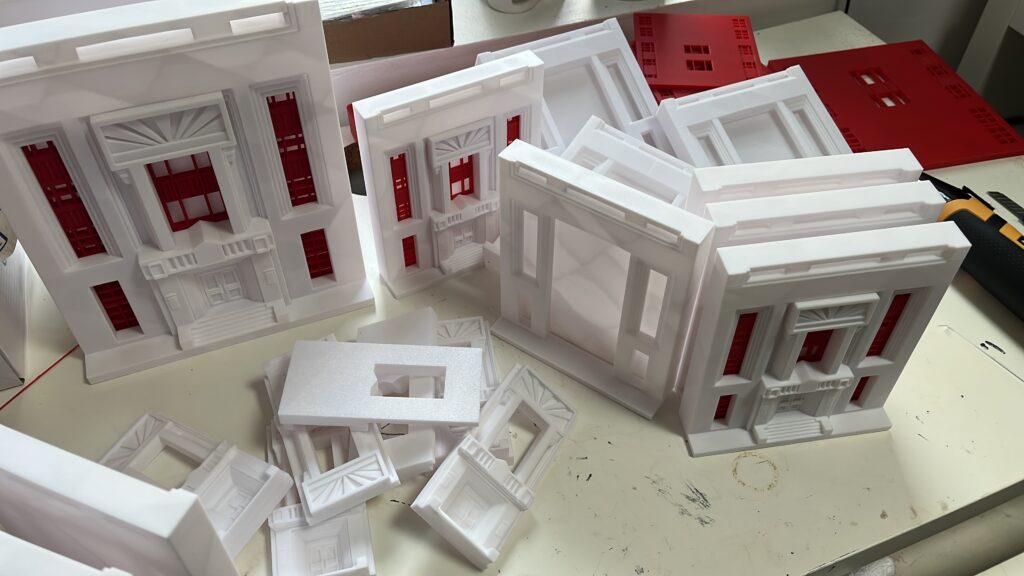
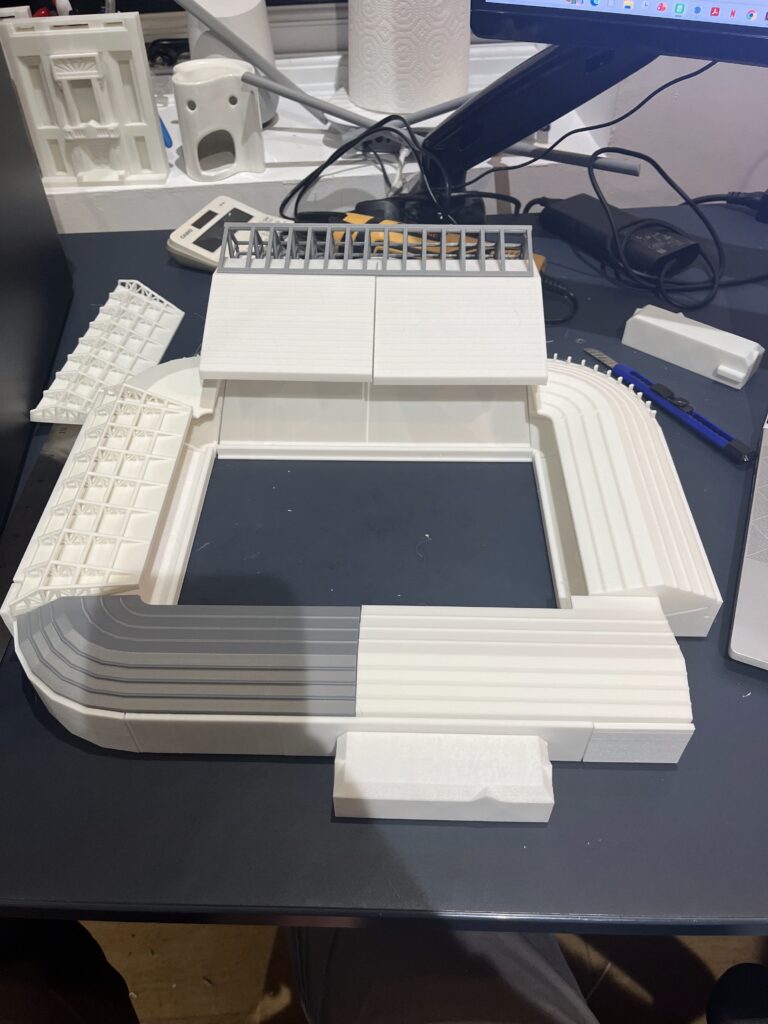
Break the stadium into logical build sections
Test assembly sequences digitally
Adjust tolerances for real-world materials
Optimise wall thickness and connection points
This ensures each model is buildable, durable, and enjoyable to assemble.
4. High-Tech Manufacturing
Once the design is finalised, production begins using advanced manufacturing methods.
Precision 3D Printing
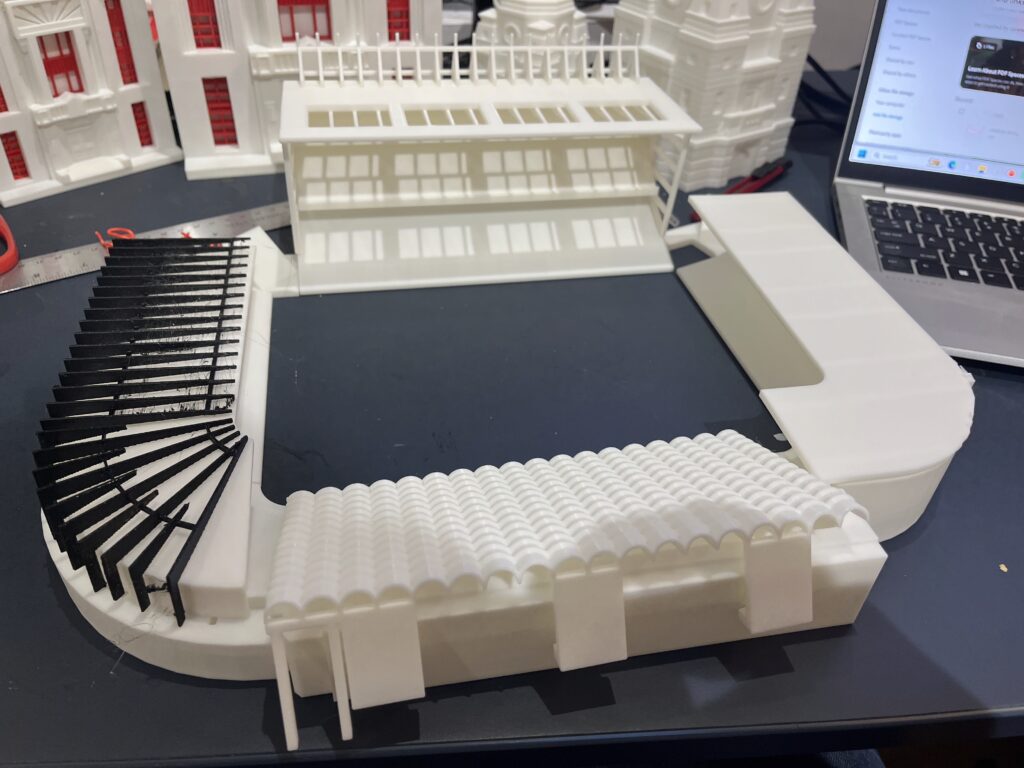
We use high-resolution industrial-grade 3D printing to produce:
Structural components
Detailed architectural features
Seating tiers, roof elements, and façades
This allows us to achieve levels of detail not possible with traditional moulding methods.
Custom Graphics & Sticker Production
To bring the stadium to life, we design and produce:
Pitch markings
Seating patterns
Sponsor boards and signage
External branding elements
These are printed using high-quality materials to ensure clarity, colour accuracy, and long-term durability.
Integrated Lighting Engineering (Selected Models)
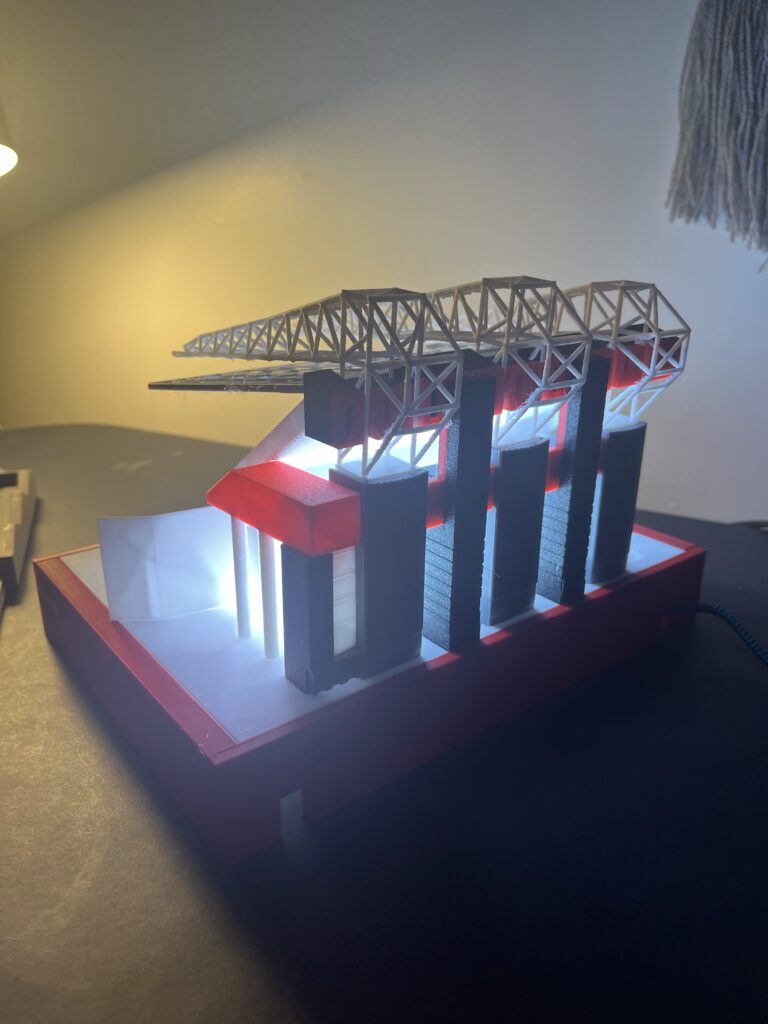
For certain stadium models, we incorporate engineered lighting systems.
This includes:
Low-voltage LED lighting
Concealed cable routing designed into the model
Even light distribution across seating and concourses
Lighting is planned during the CAD stage to ensure it integrates seamlessly into the structure.
5. Quality Control & Kit Preparation
Every model is checked before packing.
We ensure:
Parts fit correctly and assemble as intended
Printed components meet quality standards
Graphics align accurately with physical elements
Kits are complete and clearly organised
Models are then packaged as build-at-home kits, ready for assembly.
6. Designed to Be Built
Our stadium models are created not just to be displayed, but to be built.
Clear design, logical assembly, and carefully considered components mean the build process is:
Structured
Enjoyable
Accessible to hobbyists
The result is a finished model that feels both technically impressive and personally rewarding.
Precision. Passion. Place.
From architectural plans to a finished display piece, every stadium model is designed to honour the place it represents. We combine architectural thinking with modern manufacturing to create models that celebrate sport, structure, and memory.